There is something revealing about the way Pune prepares for an international cycling race. Roads are inspected, utility agencies are given deadlines, footpaths are ordered to be repaired, and uneven manholes become a matter of urgency. The Pune Grand Tour, scheduled for January 26-31, 2027, is giving civic agencies a deadline to get their act together. The question is whether the city needs an international sporting event to do what should be routine municipal work.
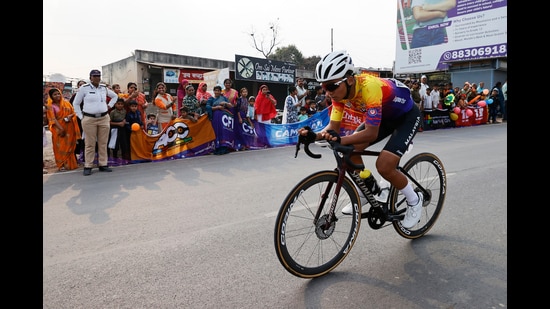
The Pune Municipal Corporation (PMC) plans to improve 84 km of newly added stretches along the race route, while maintaining roads developed for the inaugural edition in January 2026. The route within PMC limits has expanded from around 75 km to approximately 135 km. Road resurfacing, footpath repairs, signage and road markings are among the planned works.
These are welcome measures. But the experience of the previous edition offers a cautionary lesson. Roads improved for the 2026 race were dug up again for utility works, while some repaired stretches subsequently developed potholes and uneven surfaces. The administration has now imposed deadlines for excavation and warned agencies against reopening designated roads after the stipulated date.
This is where the real test of civic administration lies, as building a road is one task; ensuring that it remains usable after water pipelines, gas connections, electricity cables and optical fibre networks are installed is another. When different agencies dig up a freshly repaired road, patch it poorly and leave, the cost is borne by commuters and taxpayers.
The proposed removal of speed breakers and rumblers along the cycling route presents a similar dilemma. The PMC intends to remove obstructions that could endanger cyclists and reinstall speed breakers after the event in accordance with Indian Road Congress guidelines. Road department chief Aniruddha Pawaskar has said the work will be undertaken through existing contracts, without a separate budget allocation.
{{/usCountry}}The proposed removal of speed breakers and rumblers along the cycling route presents a similar dilemma. The PMC intends to remove obstructions that could endanger cyclists and reinstall speed breakers after the event in accordance with Indian Road Congress guidelines. Road department chief Aniruddha Pawaskar has said the work will be undertaken through existing contracts, without a separate budget allocation.
{{/usCountry}}The issue is not whether speed breakers should remain on a competitive cycling route. Clearly, road features that create hazards for professional cyclists need attention. The question is why these installations cannot be designed correctly in the first place.
Speed breakers are intended to slow vehicles and improve safety, particularly near schools, junctions and pedestrian crossings. Poorly designed ones can damage vehicles, disrupt traffic and create risks of their own. Removing them for a race and rebuilding them afterwards may be necessary, but the exercise also exposes the consequences of inconsistent road planning.
There is another opportunity here. The PMC has been directed to improve footpaths, level utility chambers and address defects in road and median construction along the race corridor. These are not facilities meant exclusively for cyclists. A properly levelled manhole benefits a motorcyclist; an unobstructed footpath helps an elderly resident; a well-designed junction improves safety for pedestrians and motorists alike.
The city should therefore judge the preparations by more than whether the roads are ready on race day. Are footpaths continuous and accessible? Are utility trenches restored to prescribed standards? Are contractors held accountable when repairs fail prematurely? And will the improvements survive the monsoon and subsequent rounds of excavation?
Pune’s international sporting ambitions deserve support. The city has been awarded the 2032 UCI Road World Championships, making durable infrastructure and sound road management even more important.
But the legacy of these events should not be measured only in international recognition or the smooth passage of cyclists. It should also be visible in the daily journeys of residents who use these roads long after the barricades are removed.
The real achievement would be a city where road repairs do not need a sporting deadline, footpaths do not need a VIP inspection, and utility agencies do not repeatedly undo each other’s work.
The cyclists will leave Pune after the race, but its residents will continue navigating the roads. They deserve the same commitment to quality and safety.