With a 60% chance of El Niño in the June-August period — rising to 80% in August-October — the country’s farm sector must brace for possible pain . The phenomenon is associated with deficient rainfall, and 50-60% of India’s net sown area, largely kharif crops , is monsoon-dependent. This involves close to 61% of India’s farmer population. The need to plan ahead is more urgent this year as the disruption in fertiliser and natural gas (key for fertiliser production) shipments
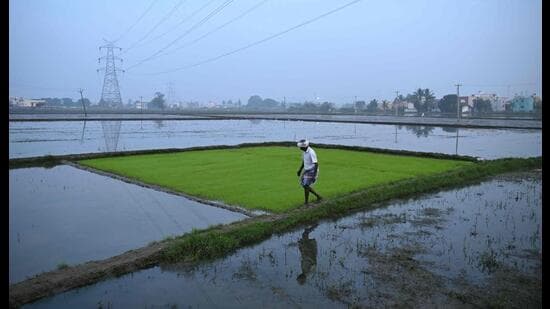
With a 60% chance of El Niño in the June-August period — rising to 80% in August-October — the country’s farm sector must brace for possible pain . The phenomenon is associated with deficient rainfall, and 50-60% of India’s net sown area, largely kharif crops , is monsoon-dependent. This involves close to 61% of India’s farmer population. The need to plan ahead is more urgent this year as the disruption in fertiliser and natural gas (key for fertiliser production) shipments from West Asia must also be factored in.
If El Niño effects intensify and rainfall proves deficient — a clearer picture will emerge closer to June — pulses and rice yields could get affected, depressing farm income and pushing up food inflation. While the farm sector has been able to withstand El Niño in recent years, the climate crisis has queered the pitch; scientists have flagged oceanographic factors that cause El Niño to intensify and increase the chances of associated extreme events. On the fertiliser side, uncertainty over the war clouds the outlook. The US has talked of an end-date, but much will depend on whether it adheres to that timeline and whether Israel continues the war even if the US withdraws. Then, there is the question of whether Iran will allow traffic through the Strait of Hormuz to return to its pre-war normal. Even after the war ends, with natural gas infrastructure in West Asia taking serious hits, normalisation of shipments could take some time.
The government and farmers must factor in the double whammy. From sowing decisions — short-duration, drought-resistant varieties — to moisture conservation, farmers must pre-empt poor rains. The government, for its part, must assume greater responsibilities on crop insurance, guaranteed employment to minimise rural pain. The long-term focus must be on expanding India’s water conservation and irrigation capacity to tide over climate shocks.
One Subscription.
Get 360° coverage—from daily headlines
to 100 year archives.
Archives
HT App & Website