March 22 is World Water Day , and India has been reminded — once again — that the country’s current water development and management system is not sustainable. In this regard, India faces a turbulent future. According to a new report, Beneath the Surface: The State of the World’s Water 2019, by WaterAid, a non-profit organisation, India has a billion people living in water scarce regions during at least one part of the year, and around 600 million in areas of high to extreme water stress. Twenty-four per cent of all India’s water use is extracted ground water. This is alarming. India is the country that draws out more groundwater than any other in the world — more than that of China and the US combined. Because of this, the rate of groundwater depletion has increased by 23% between 2000 and 2010.
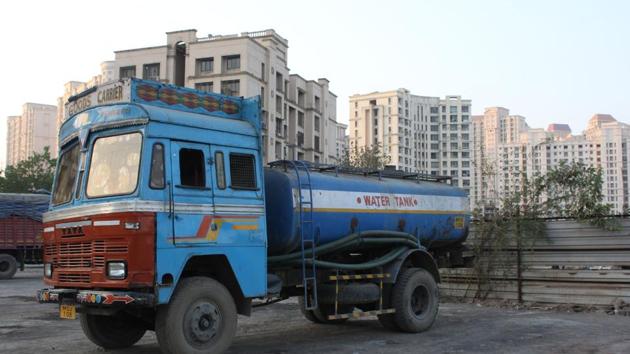
While India’s groundwater extraction is a serious cause for worry and has been in focus for years now, nothing much has been done to redress the situation since it’s a politically and electorally sensitive issue. A draft Groundwater Bill, 2017, proposed a new regulatory framework that recognised the fundamental right to water, the need for decentralised control and protection of aquifers, and sought to give control to local users. But the legislation was not passed. Yet there are examples of farmer-led projects in drought-prone districts that have succeeded in ensuring success in self-regulation of groundwater use. These need to be replicated across the country.
While a sustained focus on groundwater exploitation is important, two other issues need similar attention.
First, India’s increasing use of virtual water, which is groundwater that is used to grow export-oriented, water-intensive crops. According to the WaterAid report, India is the third largest exporter of virtual water — 12% per cent of the global total. In 2014-15, the country exported 37.2 lakh tonnes of basmati, using around 10 trillion litres of water. This means India virtually exported 10 trillion litres of water. Replacing such crops with less water-intensive ones will mean a huge saving of water.
Second, the role of corporations in water conservation. Companies must improve their practices and ensure that access to water for basic human needs is prioritised in the communities and regions in which they work. Retailers must ensure that their supplies come from sustainable sources, and help suppliers make the business case for more water-efficient processes. But this cannot be done if consumers don’t think about what they are buying and where those things come from.
{{/usCountry}}Second, the role of corporations in water conservation. Companies must improve their practices and ensure that access to water for basic human needs is prioritised in the communities and regions in which they work. Retailers must ensure that their supplies come from sustainable sources, and help suppliers make the business case for more water-efficient processes. But this cannot be done if consumers don’t think about what they are buying and where those things come from.
{{/usCountry}}