Given the umbilical link between winter pollution in the National Capital Region and paddy stubble burning — at least for three to four weeks, it is the difference between poor and very poor or severe air quality — Punjab, Haryana, and Uttar Pradesh’s plans to reduce land under non-basmati rice cultivation by 500,000 hectares is a breath of fresh air. The Capital’s three neighbours are the biggest stubble-burners in the region (with Punjab accounting for the majority), and the proposal
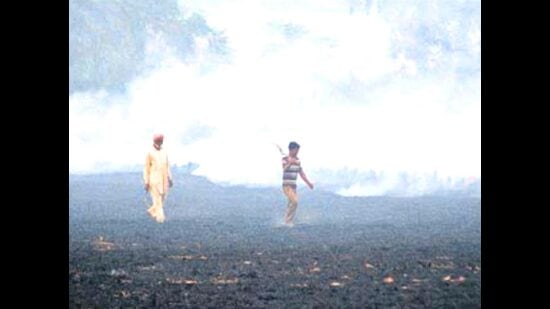
Given the umbilical link between winter pollution in the National Capital Region and paddy stubble burning — at least for three to four weeks, it is the difference between poor and very poor or severe air quality — Punjab, Haryana, and Uttar Pradesh’s plans to reduce land under non-basmati rice cultivation by 500,000 hectares is a breath of fresh air. The Capital’s three neighbours are the biggest stubble-burners in the region (with Punjab accounting for the majority), and the proposal made in a report submitted to the Supreme Court is based on the states’ responses. To that end, they must ensure a meaningful follow-through.
Non-basmati varieties account for an overwhelming share of paddy acreage in Punjab (96% in 2024) and a significantly large share in Haryana (56%). The states’ respective commitments of acreage to be divested of non-basmati cultivation — Punjab’s 459,000 hectares, Haryana’s 81,000 hectares, and UP’s 11,000 hectares — need to be viewed against this backdrop. In Punjab’s case, with total rice acreage at 3.15 million hectares in 2024, this would mean a 14% reduction in acreage and a resulting fall in crop residue that needs to be disposed of through burning. The gains for air quality in the NCR could truly be consequential. Given paddy is a water-guzzler, the fall in acreage could also give groundwater reserves in these states much-needed relief after decades of over-exploitation, but only if farmers shift to less water-intensive crops such as maize instead of cotton and sugarcane.
That said, the proposed shift must carefully weigh the implications for the government’s grain reserves, given buffer stock and public distribution requirements. At current levels of procurement, the stocks with the government usually are in excess of these, to varying degrees throughout the year. Any anticipated fall in reserves can perhaps be made up for by shifting procurement to other states where rice production is high, but environmental costs are low.
One Subscription.
Get 360° coverage—from daily headlines
to 100 year archives.
Archives
HT App & Website