Will the census become a registry of citizens? This is now the biggest question vis-a-vis the 2027 census exercise after the government has added sections to the schedule which seek personal details of citizens, which exist in other official and non-official databases, such as Aadhaar, passport, driving licence and mobile numbers. Such details have never been sought before in a census exercise in India. Once collected, it will make the census closer to a citizens’ register than just an anonymised
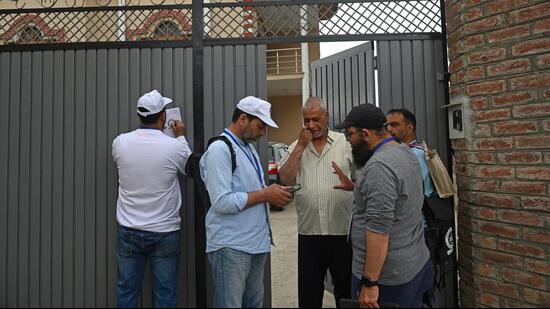
Will the census become a registry of citizens? This is now the biggest question vis-a-vis the 2027 census exercise after the government has added sections to the schedule which seek personal details of citizens, which exist in other official and non-official databases, such as Aadhaar, passport, driving licence and mobile numbers. Such details have never been sought before in a census exercise in India. Once collected, it will make the census closer to a citizens’ register than just an anonymised enumeration exercise that it has always been.
The exercise has its administrative upsides and it might allow various government databases to talk to each other. But its privacy and logistical concerns might need to be weighed carefully by constitutional experts. On the face of it, this will turn the census into a registry of citizens rather than an anonymous enumeration whose data are never shared outside the Registrar General of India below a certain level of granularity. What will complicate matters further is the government’s repeated insistence on the fact that numerous other government-issued documents such as Aadhaar, voter ID cards, and even passports do not make a sufficient proof of citizenship in India.
Constitutional complexities aside, the move also raises questions from a logistical point of view. Unlike the census — a decadal exercise — most of the other information being sought are more fluid in nature and their count can vary significantly between two census exercises. Because there already exists a count of these documents in the country, the only logical explanation of collecting such data with the personal enumeration part of the census can be to match the two.
In an ideal world, this should have happened after a detailed discussion in parliament and outside it.
One Subscription.
Get 360° coverage—from daily headlines
to 100 year archives.
Archives
HT App & Website