
 E-Paper



Desirable, but unfeasible
In a world with apolitical institutions, a minister’s conduct should be above reproach. The realpolitik backdrop of the three bills raises the chance of misuse

 Prefer HTon Google


The statement of objectives and reasons for three controversial bills introduced in the Lok Sabha on Wednesday — which propose that a sitting minister, chief minister or even the prime minister can lose their post if they are arrested or detained for 30 consecutive days over an offence that carries a jail term of five years or more — make for interesting reading. They say that elected representatives represent the hopes and aspirations of ordinary people and hence, they need to rise above political interests and keep their character and conduct above “any ray of suspicion”. They add that any allegations of serious offence and subsequent arrest diminish the constitutional trust reposed in them by the people and hence they must resign or be removed. In an ideal State with robust institutions and apolitical investigation agencies, such an eventuality could well be possible, even desirable. After all, elected representatives should adhere to a higher moral standard and set an example for probity in public life. And to be fair, most senior ministers or CMs do resign when arrested or sent to jail, even as they deny the allegations involved or call them politically motivated.
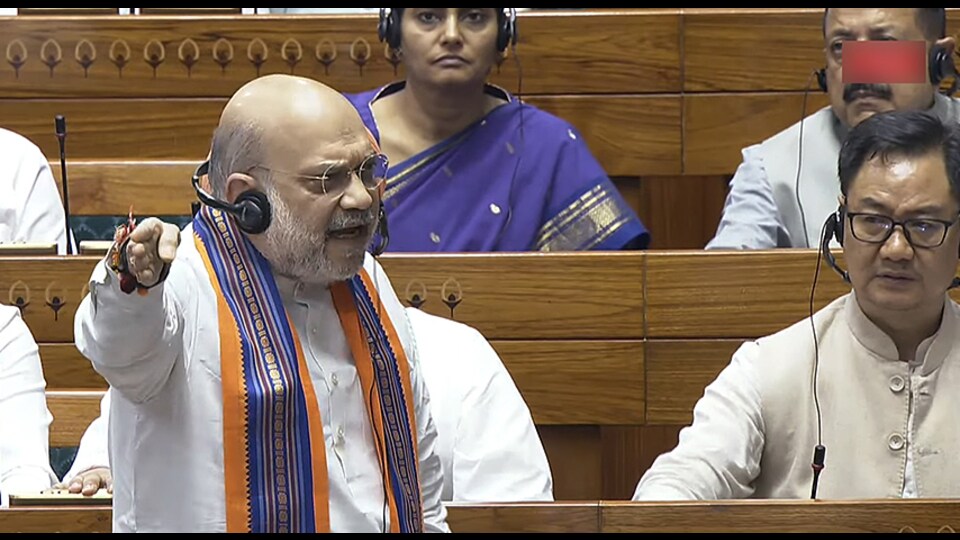
Unfortunately, the political landscape is far from ideal. Rarely has the Indian polity been more polarised: There is a complete breakdown of any working relationship between the government and the Opposition; public trust in political allegations and counter-allegations are at an all-time-low; most institutions and police forces have been politicised; and the highest court in the land has repeatedly questioned the credibility of probes conducted by federal agencies.
Against such a backdrop, it is not difficult to imagine that the three bills can turn the police or probe bodies into political weapons used to destabilise unfriendly governments in the same way that Article 356 once did. It can turn bail hearings into summary acquittal hearings, weaponise the endemic delays in the criminal justice system, even threaten to subvert popular electoral verdict with motivated arrests. The potential for misuse — especially in a context where agencies have been accused by the Supreme Court of using stringent laws such as the Prevention of Money Laundering Act to keep people in jail without any conviction — will remain high.
In any case, since one of the three bills amends the Constitution, it requires the support of at least some sections of the Opposition to garner a two-thirds approval. In today’s charged political atmosphere where any common ground between the government and the Opposition is fast vanishing, that will be hard to come by.


