An HT analysis of satellite data from NASA shows a troubling picture. The aerosol optical depth (AOD)-based measure of pollution — suspended particles or aerosols prevent light from travelling to the surface, something that shows up in satellite images — indicates that parts of Uttar Pradesh and Bihar are far more polluted than the Delhi-National Capital Region (NCR). Almost all of north India, which is what the satellite captures, has seen a significant increase in absolute pollution levels in the
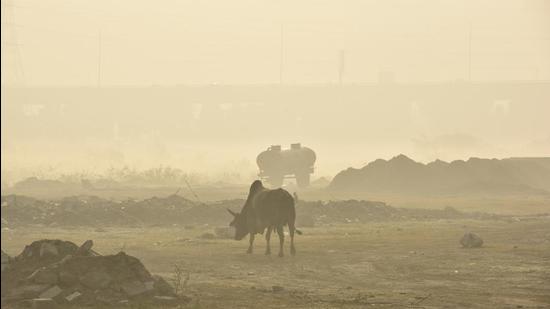
An HT analysis of satellite data from NASA shows a troubling picture. The aerosol optical depth (AOD)-based measure of pollution — suspended particles or aerosols prevent light from travelling to the surface, something that shows up in satellite images — indicates that parts of Uttar Pradesh and Bihar are far more polluted than the Delhi-National Capital Region (NCR). Almost all of north India, which is what the satellite captures, has seen a significant increase in absolute pollution levels in the last decade.
These findings pose a serious question on the Delhi-NCR-centric pollution policy in our country. The reason for this policy bias is that we do not have adequate pollution data from outside the metro cities. The Delhi-NCR region pollution story has taught us that a geographically skewed fight against pollution is doomed to fail. The government, all three tiers of it together, needs to act urgently to ensure that we have better pollution mapping across the country, and not just in the metro cities. This will perhaps need some policy nudge from the Centre.
There is also a larger lesson to be learnt. As India’s markets and lifestyles get more integrated, the earlier differences between rural-urban and metro-small towns are getting diluted at a faster rate than policymakers realise. This also means that problems and challenges we have typically associated with big cities have already emerged at a very fast pace in small towns and villages too. Pollution is just one example. Solid waste disposal, lack of treatment of sewage waste and the threat it poses to ground water quality are some such examples. Delays on these fronts will have catastrophic consequences.
One Subscription.
Get 360° coverage—from daily headlines
to 100 year archives.
Archives
HT App & Website