Over the past few days, allegations of irregularities in railway recruitment examinations have triggered violent protests in Uttar Pradesh and Bihar. Thousands of students have clashed with police, torched trains and blocked railway tracks, forcing the government to set up a panel to look into their complaints. The large-scale protests are a wake-up call to India’s policymakers. They cannot be dismissed as either isolated or politically motivated. The indignity of competing against what are very difficult odds — more than
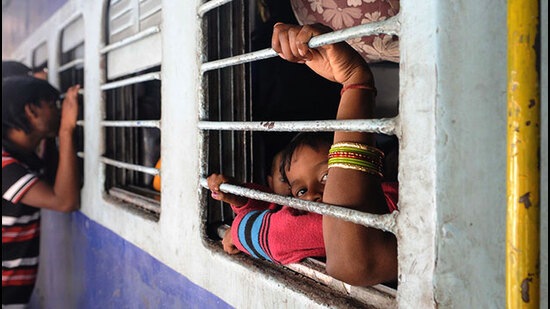
Over the past few days, allegations of irregularities in railway recruitment examinations have triggered violent protests in Uttar Pradesh and Bihar. Thousands of students have clashed with police, torched trains and blocked railway tracks, forcing the government to set up a panel to look into their complaints. The large-scale protests are a wake-up call to India’s policymakers. They cannot be dismissed as either isolated or politically motivated. The indignity of competing against what are very difficult odds — more than 10 million applicants applying for less than 40,000 railway jobs in this case — has been worsened by unnecessary delays, uncertainties and ad hocism in the recruitment process.
The pent up anger and insecurity among India’s young job-seekers is not going to end with this round of recruitments. In order to provide meaningful and dignified employment opportunities to its youth in the future, India needs to handle three challenges in its labour markets. First, there has to be a policy recognition that we need more salaried jobs in the private sector. This is more difficult to achieve than bringing in private investment, which is increasingly becoming capital, not labour, intensive and, so generating fewer jobs. This is not advocacy for technological retrogression, but a call for a policy-driven push to labour-intensive manufacturing. While labour reforms are important to provide industrial flexibility, the basic interests of workers need to be protected. Second, efforts must be taken to end the education-employment mismatch. The New Education Policy 2020 hit the right notes on this question, but it is an objective, which cannot be achieved immediately. However, things need to move quickly here. This is all the more relevant given the pandemic’s disruption of learning processes. Students, many of whom have lost two years of learning during the pandemic-forced closure of educational institutions, are going to have an even more difficult time in the job market.
Last, but not the least, is the importance of the government increasing its footprint in social sectors. With growing privatisation and rationalising of spending in productive activities of the government, public sector employment is bound to reduce in the future. Unless this is compensated by a growth in jobs in health and education, things may get worse. It’s no accident that the protests roiled two of India’s youngest states. Immediate correctives are required.
One Subscription.
Get 360° coverage—from daily headlines
to 100 year archives.
Archives
HT App & Website