Four years after India decriminalised homosexuality and affirmed that the continued stigmatisation of consensual same-sex relationships was unjustified and unconstitutional, the country is on the cusp of another civil rights epoch. Two couples have approached the Supreme Court with petitions that demand legal recognition for same-sex couples and statutory backing for members of the Lesbian, Gay, Bisexual, Transgender, Queer, Intersex and Asexual (LGBTQIA+) communities to marry the person of their choice. A bench of the apex court headed by Chief Justice of India (CJI) DY Chandrachud issued notice to the Union government, asking for a response within four weeks. If the plea is successful, it will allow India to join a club of only 30-odd countries that have legalised same-sex marriage, and mark one of the fastest journeys from decriminalisation of same-sex relationships to granting them statutory recognition anywhere in the world.
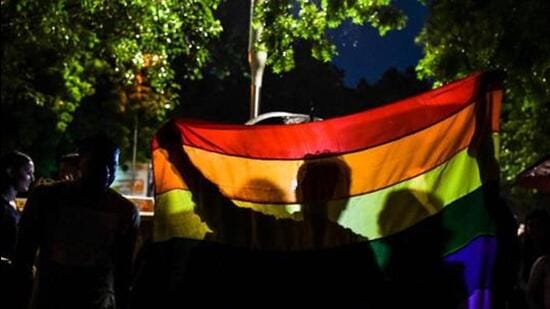
But regardless of the fate of these petitions, the mere fact of their existence tells volumes of the remarkable progress in society and mindsets precipitated by members of the community and the legal advances they have helped push through. The 2018 verdict made it possible for queer people from across the country – from small towns and villages, not just the metropolises – to approach the courts to affirm their love, thwart parental and police violence, imagine lives of dignity and respect and blunt discrimination and bias. Yes, change came slowly, and often in frustratingly incremental steps, but the direction of the movement – high courts recognizing the marriage of a transperson, issuing guideines to medical professionals and police for safeguarding LGBTQIA+ rights, asking police to ringfence queer couples from familial violence and affirming, time and again, that having alternative sexualities and genders is not a crime – is unequivocal.
What does same-sex marriage bring to this mix? It is the realisation of a crucial piece of civil rights, one that ensures that queer people are not discriminated when it comes to state recognition, financial services, government benefits and family planning and protection. It allows the realisation of the full potential of these queer people, as individuals, as Indians, as citizens. And it signals to the world and to Indian society that discrimination cannot remain the norm.
{{/usCountry}}What does same-sex marriage bring to this mix? It is the realisation of a crucial piece of civil rights, one that ensures that queer people are not discriminated when it comes to state recognition, financial services, government benefits and family planning and protection. It allows the realisation of the full potential of these queer people, as individuals, as Indians, as citizens. And it signals to the world and to Indian society that discrimination cannot remain the norm.
{{/usCountry}}The Supreme Court has done well by agreeing to listen to the petitioners. After all, a bunch of similar petitions were pending before various high courts but with little progress due to State inaction. Of course, social churn takes time and generates resistance and it is only natural that there will be many objections and stances that will need to be taken into account and deliberated upon. But by granting the petitioners their day in court, the SC has made one thing clear: that the direction of the progress of human dignity and rights can only be in one direction, forward.