India expanded a ban on mobile software by Chinese-origin developers and investors, adding 54 apps that government officials privately listed out to reporters this week. With this, the country has now banned over 300 such mobile applications in two years. The list includes widely popular apps such as TikTok and PUBG, banned in 2020, and, Free Fire, which was blacklisted this week. These apps, government officials said on Monday, “were allegedly engaged in activities prejudicial to the sovereignty and integrity
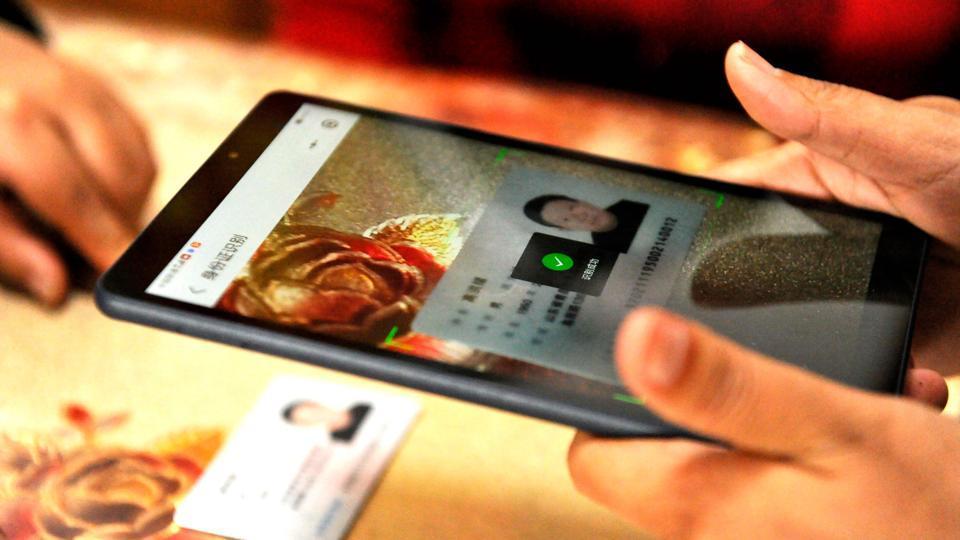
India expanded a ban on mobile software by Chinese-origin developers and investors, adding 54 apps that government officials privately listed out to reporters this week. With this, the country has now banned over 300 such mobile applications in two years. The list includes widely popular apps such as TikTok and PUBG, banned in 2020, and, Free Fire, which was blacklisted this week. These apps, government officials said on Monday, “were allegedly engaged in activities prejudicial to the sovereignty and integrity of the country [while] also posing serious threat to security of the state and defense of India”. Till Tuesday, formal orders or a press release were awaited on the issue.
The risk of surveillance and espionage from software and hardware products that originate in China has been a concern the world over. Famously, this has led Western powers and India to preclude the entry of Chinese hardware giants such as Huawei in their telecommunications infrastructure upgrades. In software, cybersecurity researchers have evidence that certain applications such as those under the WeChat and QQ brands have collected and stored private communications and relayed them to Chinese law enforcement, potentially as a mechanism for censorship. Last year, the defence minister of Lithuania went to the extent of saying phones made by Xiaomi should be “thrown away” because they contained latent censorship filters to prevent sending phrases such as “Free Tibet”. But the claim was disputed by Germany’s cybersecurity watchdog this year after its own technical analysis. Companies operating out of China are also legally obligated by its domestic cybersecurity law to turn over any data that the State seeks, citing security reasons. Several of the companies whose apps have been banned say they do not transmit data of Indian users to servers in China.
All of this makes for a sound case for the steps India took. But there is little by way of technical evidence that has been offered. Evidence is crucial because some of the apps have millions of users in countries with equally, if not more, robust counter-espionage pedigree. By offering more details, India can educate users on the real risks of surveillance that can exist with any mobile application, whether it is made in China, the United States, or even India. If Chinese actors are targeting India through such efforts, it signals the need for a more mainstream conversation than one piloted by unofficial releases.
One Subscription.
Get 360° coverage—from daily headlines
to 100 year archives.
Archives
HT App & Website