The UN-Habitat’s World Cities Report 2026 paints a concerning picture of housing. Nearly 40% — approximately 3.4 billion — of people are currently affected by a housing crisis, with homes in short supply, owning and even renting becoming too expensive, and existing living spaces remaining poorly provisioned. The situation is expected to worsen, as cities worldwide will need to accommodate an additional two billion people by 2050.
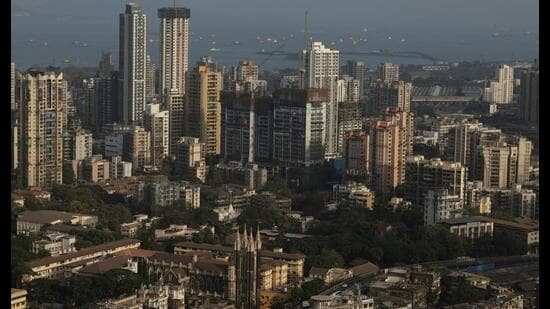
The India story is equally worrying. By 2050, half of the country’s population
The UN-Habitat’s World Cities Report 2026 paints a concerning picture of housing. Nearly 40% — approximately 3.4 billion — of people are currently affected by a housing crisis, with homes in short supply, owning and even renting becoming too expensive, and existing living spaces remaining poorly provisioned. The situation is expected to worsen, as cities worldwide will need to accommodate an additional two billion people by 2050.
The India story is equally worrying. By 2050, half of the country’s population is projected to live in urban areas. And 13 out of 10,000 people already live without a roof (13 per 10,000 is the homelessness rate). As an earlier Niti Aayog report on affordable housing noted, the demand-supply dynamics are not functioning efficiently. Low rental yields discourage the development of rental homes and promote speculative investment in land. In metros, land costs make up 40-50% of the project cost, making housing highly capital-intensive. Chasing profits, private builders go after mid- and high-end housing. Bank loans don’t come cheap, and with little collateral to offer, households in dire need of shelter cannot access them .
There is a role for the State in ensuring that housing pressures don’t become a crisis. While the Pradhan Mantri Awas Yojana has provided some relief here — the share of subsidised housing in the overall pool has jumped from 0.3% in 2010 to 7% in 2023 — it remains a demand-driven scheme and does little to enhance supply; eligibility also remains subject to narrow income, property price, and loan quantum caps. The concept of public housing, including models like council flats, needs revisiting. The purpose need not necessarily be to make everyone a homeowner but to ensure a sufficient supply that keeps rents affordable. The idea is to ensure that people are not forced to survive without decent shelter.
One Subscription.
Get 360° coverage—from daily headlines
to 100 year archives.
Archives
HT App & Website