
 E-Paper



The desperate need to protect the Aravallis
The well-being of around 64 million people in the NCR is linked to the health of the Aravallis.The most precious real estate in NCR belongs to all citizens and natural life.

 Prefer HTon Google


This newspaper has reported that the Aravallis are witnessing a disconcerting rise in illegal construction activity, belying the stance of the Haryana administration. Turning a blind eye to vandalism in the Aravallis will destroy the National Capital Region’s only buffer to extreme air pollution. The oldest mountain range in India is also a biodiversity hotspot and major groundwater recharge site.
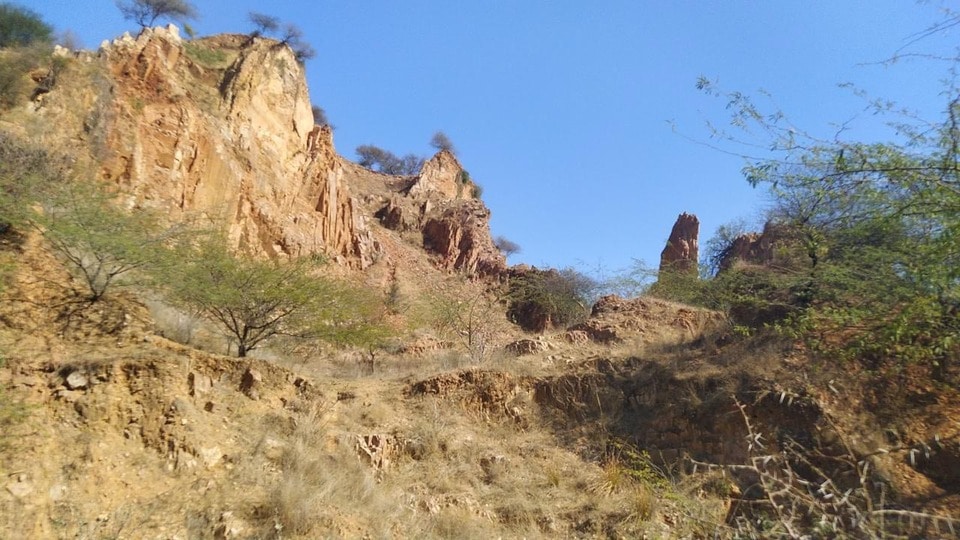
Unfortunately, Haryana, despite its forest cover being a mere 3.63%, has tried to dilute the conservation of the Aravallis. In 2017, Haryana, in its submission to the National Capital Region Planning Board (NCRPB), sought to limit the “Aravallis” to the stretches in Gurugram. A current draft Regional Plan 2041 policy, if approved, can lead to large-scale land-use change and destruction of the mountain range in Haryana. The plan being considered by the NCRPB does not even mention the Aravallis and tributaries of the Yamuna in “natural zones” that are to be conserved whereas under the existing NCR Regional Plan, which is in force since 2005, nearly the entire Aravalli range in Delhi, Haryana and Rajasthan is protected, with nearly no construction allowed in the area. Similarly, recent amendments to the Forest (Conservation) Amendment Act, 2023, which exempts unrecorded deemed forests from its ambit, could enable realtors to exploit the Aravallis further.
The well-being of around 64 million people in the NCR is linked to the health of the Aravallis. The NCRPB should withdraw its draft that dilutes the protection of the Aravallis and the Haryana government must declare the whole of the range as forest. The most precious real estate in NCR belongs to all citizens and natural life.


