The farm protests are finally over — and the farmers gathered on Delhi’s borders for a little over a year should be headed home in a few days. The decision by the Samyukt Kisan Morcha (SKM) came after the government agreed to their demands, and 19 days after Prime Minister Narendra Modi announced the repeal of the three farm laws that sparked the protest in the first place. There is enough reason for everyone to cheer the end of the
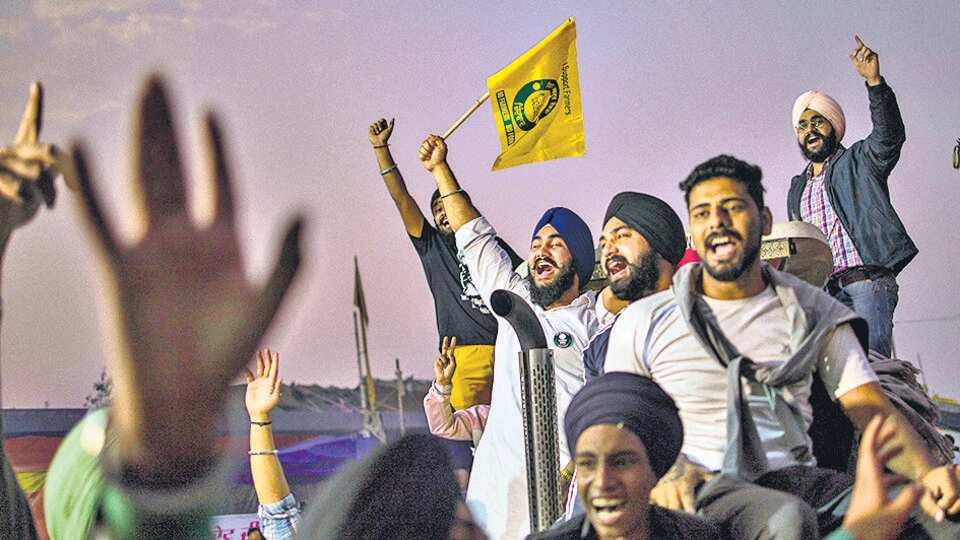
The farm protests are finally over — and the farmers gathered on Delhi’s borders for a little over a year should be headed home in a few days. The decision by the Samyukt Kisan Morcha (SKM) came after the government agreed to their demands, and 19 days after Prime Minister Narendra Modi announced the repeal of the three farm laws that sparked the protest in the first place. There is enough reason for everyone to cheer the end of the protests: Blocked roads near Delhi’s borders that caused considerable pain to commuters and local residents can be reopened; no more farmers will lose their lives on account of the cold and the stress; and there’s no fear that a stray incident could cause clashes between the farmers and the police. The farmers will be happy that they are returning home, and victoriously at that, having successfully stood up to the State. And the Union government will also be pleased that the protests — which could have hurt it politically (and still may) in coming elections in Uttar Pradesh, Punjab, and Uttarakhand — are over.
Yet, what the end of the protests marks is the return to status quo, albeit with some changes that are actually far from desirable: The free pass to farmers to now burn stubble, the cause of Delhi’s bad air problem, for a few weeks every year; the possible codification of support prices; and the stillbirth of a reformist electricity law (or at least the more reformist provisions of one). The first and the third are bad for the economy, and the second, for the environment. The farm laws were passed, and considered necessary, because farming in India is mostly uncompetitive and unviable (without State support). While it can be argued that the laws may not have achieved the desired objective of enhancing farm incomes significantly and making Indian agriculture competitive, their repeal (and the end of the protests) leaves farmers where they were in 2019 — facing significant agrarian distress and challenging terms of trade, with once-dominant landholding agrarian communities taking to the streets demanding reservation in government jobs and admission to educational institutions.
The episode also highlights the importance of making Opposition parties and states partners in the reform process, especially when it comes to something as complex as agricultural reform, which requires political, economic, and social capital. That’s an invaluable lesson for the government, though it has come at a cost. The laws may have been repealed and the protests may be over — but the problems of Indian agriculture remain.
One Subscription.
Get 360° coverage—from daily headlines
to 100 year archives.
Archives
HT App & Website