
 E-Paper



Tracing the path to doom
Gaps in the preliminary report must be addressed to provide closure to families of victims, assure fliers and pilots

 Prefer HTon Google


The Aircraft Accident Investigation Bureau (AAIB)’s preliminary report has clearly identified the cause of the accident: Fuel control switches on Air India Flight 171 moved to “cutoff” position one second apart during take-off, starving both engines and causing 260 deaths in what is the deadliest aviation incident in the country in decades. The question is: How? Was the error human, mechanical, or caused by software?
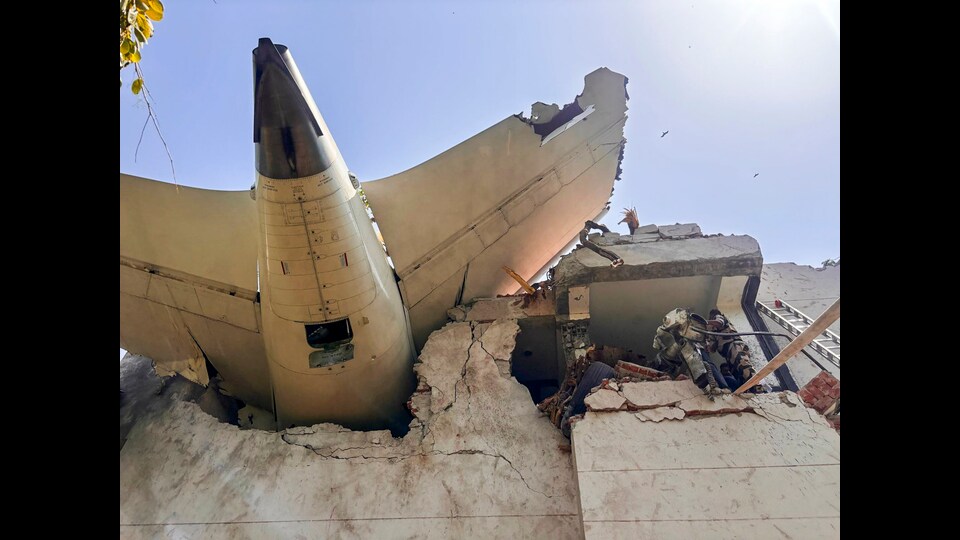
The findings carry global significance because this represents the first fatal accident involving Boeing’s 787 Dreamliner in 14 years of commercial service. While the report is silent on who, or what, caused the error, the exchange between pilots paraphrased in it — one asks the other why he moved the switches; the other responds that he did not — has been seen by many as a suggestion that the pilots were at fault. The Indian aviation community has reacted in anger over what it sees as an attempt to scapegoat the pilots. This is understandable. The report provides only a paraphrased account of the cockpit exchange, capturing confusion when engines began losing power. Exact words and other sounds from the voice recorder could provide crucial context that remains hidden. There’s also a troubling precedent: Early theories speculated pilots hit the wrong levers during take-off — since ruled out by the report. More broadly, after the first Boeing 737 Max crash in 2018, the company insisted it had provided adequate guidance in manuals for pilots to handle the situation. Only after a second plane went down did the industry recognise the fundamental software flaw that made such guidance insufficient. But, perhaps most importantly, the anger is meant to be a reminder that dead pilots can’t defend themselves against conclusions that could suit corporate or regulatory interests over truth.
Yet the report’s technical findings remain significant and demand rigorous follow-through regardless of implications. If evidence ultimately points to pilot error, that conclusion must be accepted, however inconvenient. Conversely, if mechanical or system failures emerge, manufacturers and regulators must face accountability. Truth-seeking serves everyone: Grieving families seeking closure, an industry requiring safety improvements, and pilots whose professional integrity depends on credible findings that consider all failure modes — human, mechanical, and systemic. The AAIB, having met its 30-day expectation, still faces a crucial test: It must demonstrate thoroughness and transparency. This requires releasing complete cockpit voice transcripts when appropriate, providing regular progress updates, and including qualified technical expertise — all while resisting pressure for premature conclusions. The aviation community must also exercise patience, recognising that credible findings demand time and methodical analysis. India’s credibility ultimately depends on proving that evidence drives conclusions.


