E-Paper



War, peace and democracy in Europe | Number Theory
.

 Prefer HTon Google


The ongoing Russia-Ukraine conflict in Europe, when it started in February 2022 – some see Russian annexation of Crimea in 2018 as its beginning – was seen as a battle for preserving the post-Cold War liberal order by many commentators. Almost four years later, and more importantly, a year since Donald Trump came back as the US President, opinions on what is at stake in the conflict are now very different. Trump wants the war to end on very different terms than his European peers. Its ultimate resolution remains a matter of speculation and negotiation. The larger questions from this conflict, however, go beyond what the war itself has done to Russia and Ukraine. This two-part series will weigh on some of these issues.
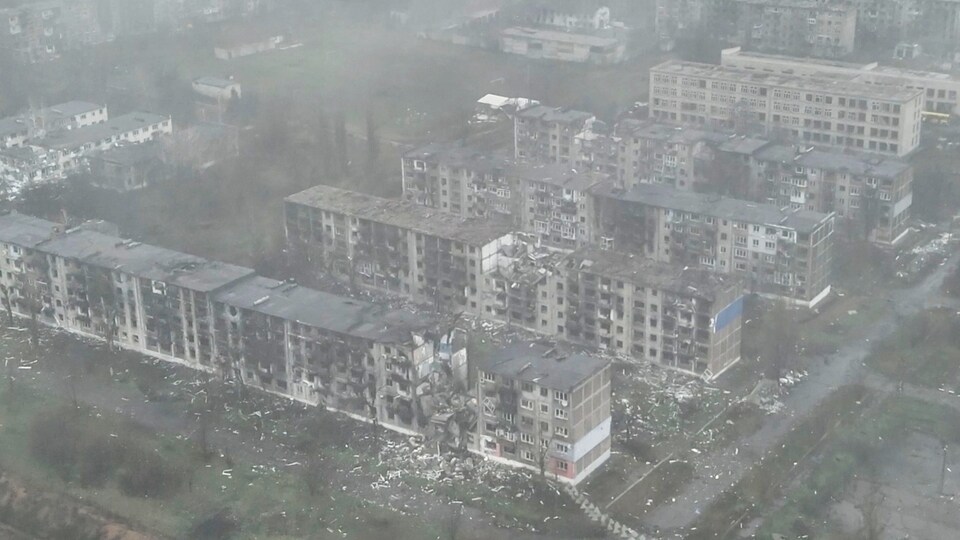
Whether Ukraine folds before Russia has to reckon with the costs of war is the questions which matters the most as far as the conflict is concerned, but the stakes for Europe are much larger; the second part of this article will deal with this.
 Ukraine has suffered more in the immediate aftermath of the war than RussiaBoth Russia and Ukraine suffered an economic contraction in 2022, the year in which the ongoing military conflict began. However, if one were to compare their economic trajectories with pre-war GDP in 2021, Ukraine seems to have suffered more than Russia. Latest IMF data expects Russia’s 2025 GDP to be 138.9% of its 2021 GDP compared to 104% for Ukraine. To be sure, IMF projections do show the Russian economy slowing down going forward, suggesting that it is finally beginning to show the adverse effects of the ongoing conflict.
- But a Russia-Ukraine conflict was never a match among equalsThis is the most important thing to remember when analysing the conflict. Ukraine, on its own, is not a match for Russia. Its nominal GDP in 2021 was 11% of Russia’s GDP and its military spending was just 10% of Russia’s. Even though Ukraine has increased its defence spending to the highest in the world at 34.48% of GDP in 2024, it was still 43% of Russian spending which climbed to 7% of Russian GDP.
- This is where Ukraine is dependent on aid in general and US aid in particularOne of the most dramatic images of the Russia-Ukraine war came not from the battlefield but from The Oval Office in White House when President Trump and his deputy gave a dressing down to Ukrainian President Vladimir Zelensky. There was a reason Zelensky had to bear with Trump: US aid to Ukraine is indispensable to its war effort and, one could say, existence itself. The numbers say it all. Of the $365.6 billion bilateral aid Ukraine has received since 2022, $130.65 billion has come from the US alone. Since the US stopped its aid to Ukraine in February 2025 — it is still helping Ukraine with intelligence and other defence support — Europe has had to ramp up their aid, allocating 43.45 billion Euros since then as of October, much higher than the 23 billion Euros they had allocated over the six months leading up to February. Ukraine’s aid-dependence on the US – both economic and military – is what makes Trump’s blueprint for ending the war -- it will entail Ukraine ceding a large part of its territory to Russia -- sort of binding on both Ukraine and Europe.
- Russia’s war economy is also under strain because of its dwindling energy revenuesOil and gas revenue, which finances much of Russia’s federal budget, has fallen markedly in 2025, widening the deficit and pushing the government towards higher taxes and greater domestic borrowing. Although the Urals (Russian crude oil price) discount to Brent is partly engineered by Russia to keep exports flowing under the G7 price cap, this strategy exposes the budget to global price swings. With Urals selling at roughly 70% of Brent since 2022, Russia becomes fiscally vulnerable when Brent falls because the discounted price could undershoot what the government needs to balance its budget. According to energy market analytics firm Incorrys, if Brent dips below about $60, a significant share of Russian production becomes economically unviable due to higher extraction and transport costs. Trump’s financial sanctions on Russian oil companies and 25% additional tariff on India for buying Russian crude oil – it was more a convenient than principled effort to squeeze Russian oil revenues given China buys more Russian crude than India but faces no such tariffs – are a clear message to Russia that a continuation of the war would put further squeeze on its economy.