Allahabad University’s prof AR Siddiqui from the department of geography will join leading geographers from across the world at National and Kapodistrian University of Athens, Greece, to attend a three-day regional conference on geomorphology from September 19.
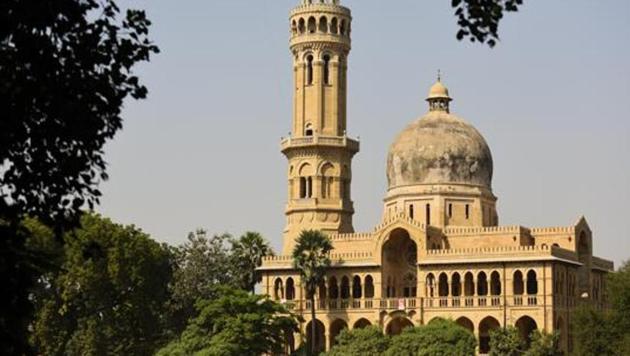
Prof AR Siddiqui will present a paper pertaining to desertification of Indian cities. Prof Siddique has a set evidences of global climate change and global warming which include widespread increase in average air and ocean temperatures, accelerated melting of glaciers, rising sea level, extreme climatic events, hurricanes, flash floods etc.
“Understanding the role of natural and anthropogenic drivers in an arid ecosystem is of vital importance as in India about 12% of geographical area comes under desert area. Desertification is the process of land degradation towards arid, semi-arid and sub-humid area due to adverse climatic condition and adverse human practices”, said Prof Siddiqui. There is an urgent need to combat the situation for the future generation, he added.
He further said that desert is the future storehouse of food and agricultural sustainability and as per the planning commission report 1952, the desert is expanding towards the east. “In case of cities like Agra, Aligarh and Kasganj, it is expanding at the rate of half a mile per year and this is evident in form of decline of agriculture productivity, lowering the level of ground water table, loss of vegetative cover etc, ” he said.
“The major casual factors for this desertification are overgrazing, over-cultivation on marginal lands among others,” said Prof Siddiqui.
{{/usCountry}}“The major casual factors for this desertification are overgrazing, over-cultivation on marginal lands among others,” said Prof Siddiqui.
{{/usCountry}}“Twelve Rajasthan districts, including Barmer, Bikaner, Churu, Jaisalmer, Ganganagar, Hanumangarh, Jalore, Jhunjhunu, Jodhpur, Jalore, Nagaur, Pali and Sikar are facing the brunt of desertification” he added.