The death of a nine-year-old kid in Damoh due to alleged caste discrimination is not an incident in isolation. The practice of untouchability is prevalent in many schools and anganwadis in rural Madhya Pradesh, social activists said on Friday.
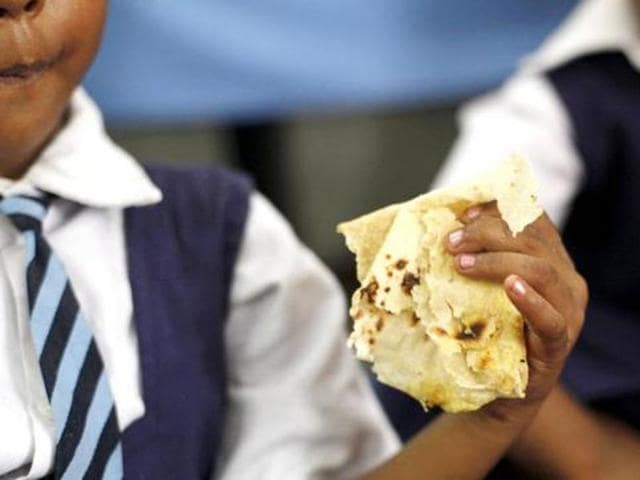
Recently, a social worker in Panna came across a couple who hesitated in taking their malnourished child to a nutrition rehabilitation centre (NRC) because they were made to sit away from the upper caste children and served low quality food.
Social worker Yunus Baig said the problem was still prevalent in angandwadis and schools across Bundelkhand. A few years ago, dalit students in a government primary school in Harda alleged that the mid-day meal ‘chapatis’ were almost thrown at them to avoid contact, they were served leftovers and even made to wash their own utensils.
Study found blatant discrimination on basis of caste, gender and community
A study conducted in 120 schools of six states, including Madhya Pradesh, by the human resources development ministry a few years ago found blatant discrimination on the basis of caste, gender and community.
The discrimination included seating arrangements and eating on the basis of caste during mid-day meals, girls asked to clean school toilets and cooks preferred from a particular caste or community.
{{/usCountry}}The discrimination included seating arrangements and eating on the basis of caste during mid-day meals, girls asked to clean school toilets and cooks preferred from a particular caste or community.
{{/usCountry}}Secretary of a Dalit Sangh Ratan Umre said two years ago they conducted a study in Hoshangabad district to know the condition of scheduled caste and scheduled tribe students of different schools.
“We found that in some schools, teachers had marked the plates of SC/ST students to enforce discriminatory identification. Even, SC/ST students were asked to wash their plates so that nobody else could come in physical contact with the SC/ST students’ plates. There was a separate arrangement for drinking water too for them. We realised how school students were being humiliated in the name of caste. There is a serious need to redress this major problem.
As per ActinAid officials, about 70 kinds of discriminations were identified during their survey.
Tragedy in Damoh was a clear cut case of casteist mindset: educationist
Educationist Anil Sadgopal said the tragedy in Damoh was a clear cut case of casteist mindset prevailing not only in schools but in society as well. Also, there is no concern in the education system to make teachers understand the deep rooted casteism, inequality and discrimination in society.
Child rights activist Prashant Dubey said, “The act of teachers in Damoh is violation of Article 17 of the constitution. The caste discrimination is much rampant in the rural India. To stop a child from drinking water on the basis of caste is a sin. State government should take serious action against responsible authorities to set an example before wrong doers.”
School education minister, however, Deepak Joshi on Thursday denied it, but expressed concern over the Damoh incident and said it needed to be looked into as to under what circumstances the boy went to the well to fetch water.
(With input from Anupam Pateriya from Sagar)