The lowdown
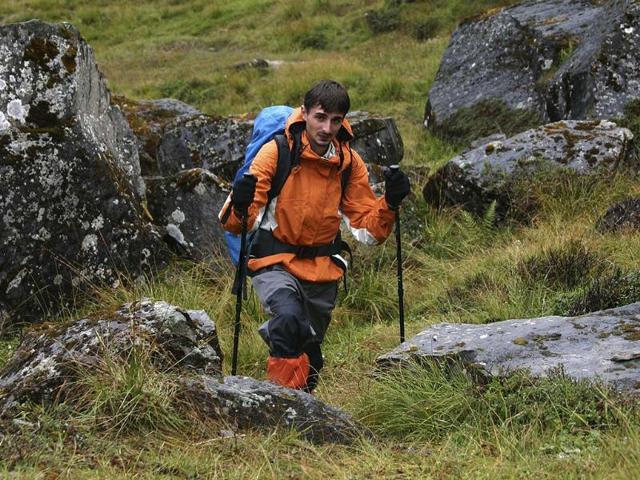
Trek is a long, adventurous journey undertaken on foot in areas where common means of transport are generally not available. A mere thought of such an expedition gives an adrenaline rush. If something like this interests you, then a career as a trekking expert is your calling. A trekking expert is someone who takes people on long arduous journeys, especially to hike through mountainous areas. Good knowledge of the mountains and the surrounding geography is a requisite to become a trekking expert. He/she is responsible for the safety and well being of the trekkers. A trek leader ensures that everything is organised logistically — food, camping equipment, medicines, safety gears etc. Trekkers must be ecologically and culturally responsible travellers, and good decision makers — they should be aware of all the routes on complicated treks, time of sunset, sunrise and weather conditions. A typical high altitude trek lasts for a minimum six to seven days, which means you will be cut off from the world and all forms of communication and be responsible for people you take on treks.
ClockworkA trek leader’s job is not an eight- hour shift. A typical day would be something like this:6am: Oversee the camp7.30am: Warm up and stretching session with the team8am: Brief the team8.30am - 2pm: Start the journey. Take breaks, share interesting stories and information with team2pm: Reach camp. Engage in tent pitching activity with the trekkers. Have lunch and settle down5.30pm: Tea followed by briefing. Enquire and look after the trekker’s well being. Solve medical/personal issues, if any7pm: Campfire followed by dinner8pm: Strategise and plan the next day’s trek with the backend support team
The payoff A qualified trek trainer can expect a starting salary of Rs. 20,000 per month. This can go up to Rs. 35,000 to Rs. 40,000 at senior levels
Skills/TRAITS* Sufficient trek experience in varied terrains* Problem solving, proactiveness, being a team player are some of the key traits * Knowledge of first aid is mandatory* He/she should be familiar with the mountains and the surrounding geography
{{/usCountry}}Skills/TRAITS* Sufficient trek experience in varied terrains* Problem solving, proactiveness, being a team player are some of the key traits * Knowledge of first aid is mandatory* He/she should be familiar with the mountains and the surrounding geography
{{/usCountry}}Getting thereA basic mountaineering course is important. The courses have four to five levels — basic, advanced, method of instruction and search and rescue. These courses are generally a month long. They include both theory and practical training on the mountains. You don’t need to have a formal degree but institutes consider your age limit for these courses. Also, a prescribed level of physical fitness is required. An ‘A’ grade in one course qualifies the student for the next course
Institutes and URLs* Nehru Institute Of Mountaineering, Uttarkashi; www.nimindia.net* Himalayan Mountaineering Institute, Darjeeling; www.himalayanmountaineeringinstitute.com* Atal Bihari Vajpayee Institute of Mountaineering and Allied Sports, Manali;www.adventurehimalaya.org/aboutwhmi.asp* Indian Institute of Skiing and Mountaineering, Gulmarg;iismgulmarg.com
Pros and cons* For someone who loves the outdoors, trek leading is a treat* Your decisions play a crucial role. If one thing goes wrong, it can impact life and safety of people* You are away from family and friends for a long period of time
Trekking rejuvenates one’s mind, body and spirit. But you have to face various physical and mental challenges. In short, a trek is a miniature journey of life ---- Sandhya UC, a trekker and partner at Indiahikes, Bangalore