
 E-Paper



‘Peaky Blinders: The Immortal Man’ Review: A Gangland Drama’s Nazi Plot
The Netflix series gets a feature-film coda starring Cillian Murphy and Barry Keoghan


 Prefer HTon Google


In addition to grime, gore and disdain for governments, the ragtime gangsters of “Peaky Blinders” provided a minor education. They showcased the narrative resilience of the brothers-in-crime format—though unlike the immigrant Corleones, the Shelby siblings were native sons betrayed by their country. And over six seasons, the series examined the under-explored territory that lay between two world wars—a kind of historical trench in which all manner of skullduggery could fester and bloom.
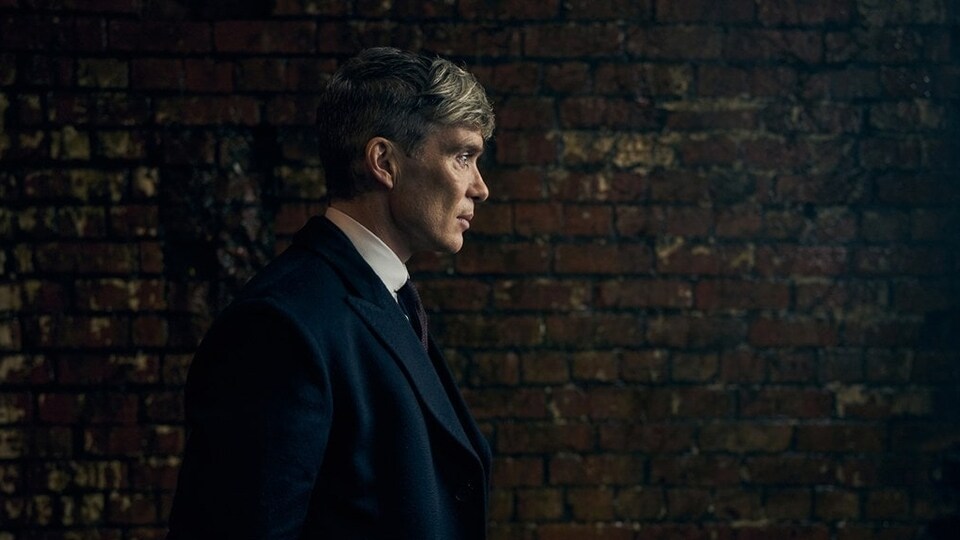
“Peaky Blinders: The Immortal Man,” a feature-length valediction to a small-screen classic, finds the criminally ruthless but emotionally wounded Thomas Shelby (Cillian Murphy) semi-retired and writing a memoir. Like his traumatic experiences tunneling under France during World War I, his current crisis is historically accurate, with a Birmingham spin: Nazi Germany’s plan to flood the U.K. with counterfeit currency—printed in concentration camps—thus undermining the British economy and hastening the nation’s downfall. With Thomas out of the picture, and the Shelby organization lacking what little moral compass it had, Hitler’s agent and fifth-column creature John Beckett (Tim Roth) forms an alliance with Thomas’s son, Duke (Barry Keoghan), who will put the money in circulation through a variety of Birmingham vices.
There was an encounter with the Shelby siblings’ degenerate father during the regular series, but the themes of patriarchy—and sins being visited upon sons—underpin everything in “The Immortal Man” (which seems to be the title of Thomas’s book). The general tone of the film is anticlimactic, but Thomas and Duke are on trajectories that spell out “tragedy” in furnace smoke across a northern English sky. Hard to say. (In theaters, the film is prefaced with a plea from Mr. Murphy not to reveal any spoilers.) But will the Shelby gang really go out as allies of fascism? Those who followed the series know how blithely its creator, Steven Knight, had Thomas hop-scotching around from one group to another, nefarious human collections that included the government of Winston Churchill, the English police and the black shirts. (Thomas’s enmity for the real-life Oswald Mosley was frustrated by Mosley being one of the few enemies who couldn’t be shot dead.) There were opaque relationships between, say, the IRA and the Shelbys, notably brother Arthur (Paul Anderson) and aunt Polly (Helen McCrory). Both of them have, as they say, passed.
Unabashed symbolism was always part of “Peaky Blinders,” from the white horse on which Thomas departed the series to the black one on which he returns to the story; the Nick Cave theme song (“On a gathering storm / Comes a tall handsome man / In a dusty black coat / With a red right hand”); and the more arcane aspects of the Romani culture whence Thomas sprang and in which he takes refuge during the movie.
Straightforward storytelling was never the strong suit of the show, which relied very much on Mr. Murphy’s charisma and that of his co-stars, notably Sophie Rundle, who plays sister Ada Shelby. The future always looked grim in “Peaky Blinders,” but the fate of the show, which apparently has two Murphy-less years to go in a planned sequel, is beyond uncertain. Mr. Keoghan (“The Banshees of Inisherin”) is one of the more acclaimed young actors around. But he isn’t Cillian Murphy, whose virtues as both actor and personality are evidenced by how he’s spent his “Peaky Blinders” years. Winning a best-actor Oscar for “Oppenheimer.” Turning in startling performances in such modest films as “Steve” and “Small Things Like These.” Many actors are pigeonholed by a successful TV series. Mr. Murphy remains aloft.
Peaky Blinders: The Immortal Man
Friday, Netflix
Mr. Anderson is the Journal’s TV critic.


