Particulate matter (PM) 2.5 levels in Chandigarh were higher than even Delhi in 2016, according to data shared by the Central Pollution Control Board (CPCB).
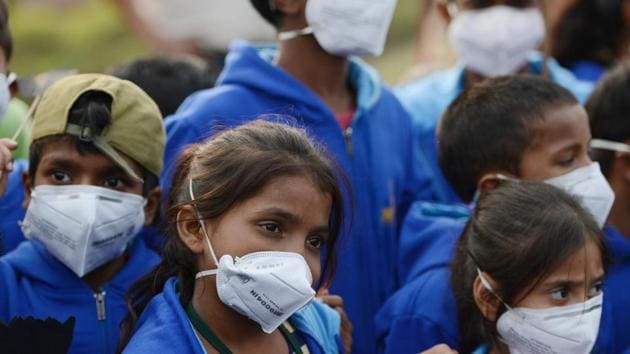
The residents of the city were exposed to fine inhalable particles, with diameters that are generally 2.5 micrometers and smaller, over three times the permissible limit.
The annual average level of fine particulate matter pollution in Chandigarh that year was 123µg/m3. In Delhi the number stood at 118 µg/m3.
Many smaller industrial towns like Asansol and Durgapur in West Bengal and Silvassa in Dadra and Nagar Haveli too recorded very high PM25 levels, underscoring the need to move India’s policy discourse on pollution control beyond the national capital.
In Asansol it was 88, in Durgapur 74 and 73 in Silvassa. The permissible limit of particulate matter is 40 µg/m³.
The smaller the particles the more pernicious they are because they can enter deeper into the lungs. If the particle size is small enough it can enter the bloodstream and damage vital organs. Particulate matter pollution is linked to heart and lung diseases, asthma and other respiratory illnesses.
Acute respiratory infection cases in Chandigarh increased from about 1 lakh in 2013 to 1.7 lakh in 2016.
{{/usCountry}}Acute respiratory infection cases in Chandigarh increased from about 1 lakh in 2013 to 1.7 lakh in 2016.
{{/usCountry}}Since India has set PM 2.5 standards, the absence of monitoring in over two thirds of the cities (79 out of 303) is a big lacuna.
“We need to monitor PM 2.5 in all cities where air quality is monitored,” said a CPCB official on condition of anonymity as he was not authorised to speak to the media.
There are only a few companies that manufacture PM 2.5 monitoring equipment, according to the CPCB official, and thus procuring them is a problem.
In 31 out of the 79 cities, where monitoring is done, the annual PM 2.5 levels exceeded norms last year.
Of the top ten cities where PM 2.5 levels were the highest, four were in West Bengal and two were in Goa (Panaji and Vasco da Gama).
Incidentally, currently India does not have any standards or monitoring mechanism for PM 1, the smallest particle size, which is 1 micron or less in diameter.
These particles are 70 times finer than human hair and even more dangerous than PM 10 and PM 2.5.
“There is no standard for PM 1 and there is no monitoring because we don’t have the technology to monitor it,” S Saha at the CPCB’s air lab said. However, Envirotech, a manufacturer of air quality monitoring equipment recently introduced an indigenously- developed PM 1 filter.
The filter is only being used currently by research organisations. “Till there are standards for PM 1, there will be no compulsion to monitor it,” Ashish Gupta, director at Envirotech, said. “Once there is enough research on it, the regulatory authorities will be compelled to monitor it.”
The Delhi Pollution Control Board had in 2016 announced plans to monitor PM 1 by 2017 Diwali, but it is yet to begin.