Punjab's new industrial policy places employment generation among its key objectives, with the state government seeking to expand traditional manufacturing while attracting investment in technology and service-based businesses. The policy is aimed at creating opportunities for young people and supporting local businesses through industrial growth.
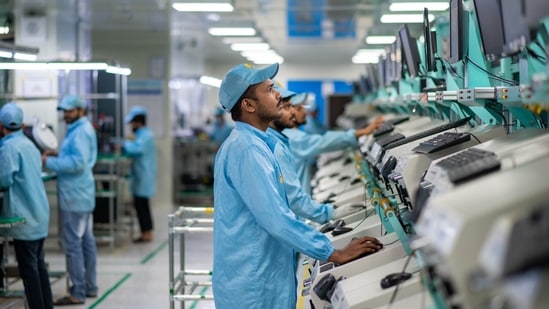
Manufacturing has played an important role in Punjab's economy, contributing to employment, incomes and improvements in living standards. The government's approach now also seeks to encourage modern technology-based industries alongside established sectors. It views the growth of local businesses and the simplification of business processes as important parts of wider economic development.
The policy identifies several sectors where investment could support job creation. In manufacturing and engineering, investment in machinery, steel, auto components and other industrial products could increase production capacity and technical capabilities. Expansion in these areas may also create demand for workers with specialised skills.
Information technology and technology-based services are another focus. Software services, data centres, digital businesses and related activities could provide employment opportunities for trained young people. The state's ability to attract such investments will depend, among other factors, on the availability of skilled workers and suitable infrastructure.
Food processing is also identified as an area with potential, given Punjab's agriculture-based economy. Investment in grain processing, dairy, food packaging and cold storage could strengthen links between agriculture and industry.
{{/usCountry}}Food processing is also identified as an area with potential, given Punjab's agriculture-based economy. Investment in grain processing, dairy, food packaging and cold storage could strengthen links between agriculture and industry.
{{/usCountry}}Electronics and electric vehicles are among the other sectors where investment could increase demand for new technologies, suppliers and technical training. New factories, technology companies and processing units could generate direct employment as well as jobs in transport, handling, packaging and allied services.
The policy has also reduced the investment and employee-number thresholds for eligibility for employment subsidies, according to the information provided. Industries seeking these benefits will still have to meet the applicable rules and conditions.
The extent of job creation will depend on how many projects become operational, the number of people they employ and the sustainability of those jobs. Training young people in skills required by different industries will also be important.
Infrastructure, reliable power supply and business-friendly procedures will remain essential to translating investment proposals into operating projects and long-term employment.