Hair texture, thickness and growth are common considerations for many people . But the scalp usually gets attention only when something goes wrong. Dandruff shows up, or there's an itch that won't go away, or the hair starts thinning and nobody quite understands why. The truth is, the scalp is where everything begins, and ignoring it is one of the most common reasons hair problems do not get resolved.
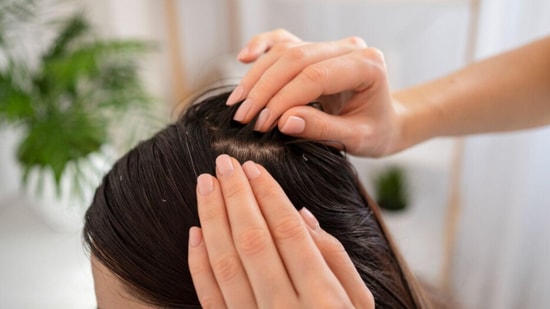
The scalp is skin
Your scalp is not just a base for hair follicles. It's an extension of your skin, with its own oil glands, a microbiome, blood vessels, and nerve endings. It produces sebum, sheds dead cells, and maintains a pH balance — all of which affect how your hair grows and how healthy it looks.
When the scalp is healthy, the follicles are well-nourished and the hair growth cycle runs smoothly. When something disrupts that balance — excess oil, dryness, inflammation, product buildup — the follicles suffer first. Hair thinning and shedding are often late signs of a problem that started at the scalp weeks or months earlier.
What disrupts scalp health
Scalp problems usually develop from a combination of factors:
- Excess sebum production, which can clog follicles and create an environment where fungi like Malassezia thrive.
- A disrupted scalp microbiome caused by overuse of shampoos or antibiotics.
- Chronic inflammation, often linked to stress, diet, or underlying conditions like seborrheic dermatitis or psoriasis.
- Product buildup from dry shampoos, styling creams, or silicone-based conditioners.
- Poor circulation to the scalp, which limits how much oxygen and nutrients reach the follicles.
- Nutritional deficiencies, particularly iron, zinc, and B vitamins.
Any of these, over time, can shift the scalp from a healthy environment to an unhealthy one.
{{/usCountry}}Any of these, over time, can shift the scalp from a healthy environment to an unhealthy one.
{{/usCountry}}The inflammation connection
Scalp inflammation — even mild, subclinical inflammation that doesn't cause redness — can slowly damage hair follicles. Over time, this can push follicles into a resting phase prematurely, leading to increased shedding.
This is why some people notice more hair fall during periods because of high stress. Stress elevates cortisol, which can trigger inflammatory pathways that affect the scalp. It's also why a poor diet high in processed foods and sugar — both of which are pro-inflammatory — tends to show up in hair health eventually.
Understanding this connection matters because it shifts how you approach the problem. Treating only the surface — applying a scalp serum or changing your shampoo — may offer temporary relief. But if the internal triggers aren't addressed, the problem tends to come back.
How to actually care for your scalp
Scalp care is less about having an elaborate routine and more about understanding what your scalp actually needs:
- Cleanse regularly enough to prevent buildup, but not so frequently that you strip the natural oils
- Use lukewarm water — hot water can irritate the scalp and increase oil production
- Massage the scalp gently when washing to stimulate blood flow
- Avoid leaving conditioner or heavy oils on the scalp itself — these are meant for the hair shaft
- Give your scalp periodic breaks from tight hairstyles, heat tools, and heavy styling products
- Stay consistent with nutrition — your scalp needs adequate protein, iron, and vitamins to support the hair growth cycle
Why root cause thinking changes everything
A flaky scalp might look like a dandruff problem but be driven by a fungal imbalance, a hormonal shift, or even a food sensitivity. Hair fall might seem like a hair issue but trace back to iron deficiency or thyroid function.
Brands like Traya — which is combining dermatology with Ayurveda and nutritional support — take this kind of layered approach. Looking through Traya reviews gives a sense of how differently people respond when root causes are addresseds.
Final Thoughts
Your scalp is a living environment, not just a patch of skin your hair grows out of. When it's balanced, hair naturally tends to be healthier. When it's chronically inflamed, undernourished, or out of balance, no amount of leave-in conditioner will fix things long-term.
Note to the Reader: This article is part of Hindustan Times' promotional consumer connect initiative and is independently created by the brand. Hindustan Times assumes no editorial responsibility for the content.