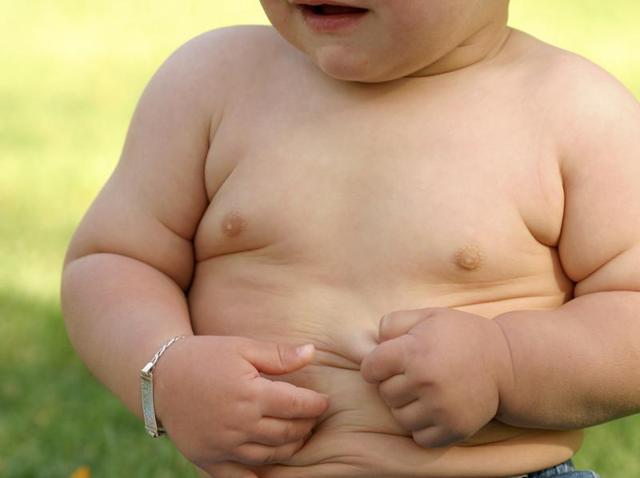
An extensive study, conducted in the USA and published in Jama Pediatrics, found that children born by cesarean section were 15% more likely to become obese than those delivered vaginally. The risk was particularly significant between siblings, with those born by cesarean 64% more likely to be obese than a brother or sister delivered vaginally.
The genetic risks of becoming obese are generally similar for siblings in the same family. However, a new American study, based on data from 22,000 young adults over 16 years, has revealed one factor that could affect metabolism long-term: being born by C-section.
The researchers identified a link between birth by C-section and obesity risk. In fact, a sibling born by cesarean was 64% more likely to become obese than a brother or sister with the same parents delivered vaginally.
The scientists studied participants’ body mass index (BMI) over time, how they were born (C-section or vaginally) and other factors that could play a role in obesity, like their mothers’ BMI before pregnancy, smoking status, age at delivery and where they lived. They also looked at whether the participants’ mothers had previous C-section deliveries.
They found that individuals born by C-section were 15% more likely to become obese than those delivered vaginally. The study also suggests that this increased risk may persist through adulthood.
{{/usCountry}}They found that individuals born by C-section were 15% more likely to become obese than those delivered vaginally. The study also suggests that this increased risk may persist through adulthood.
{{/usCountry}}Children of women who gave birth vaginally after previous C-section deliveries were 31% less likely to become obese compared with those born via C-section following a previous C-section birth.
A C-section is a surgical procedure used to deliver a baby. The procedure is carried out in an operating theater under anesthetic, usually an epidural. In certain cases, C-section deliveries can be carried out under general anesthetic.
C-section deliveries can be recommended in cases of placenta previa, abnormal presentation and for multiple births, for example. Ultrasound scans and prenatal examinations can help identify cases in which C-section delivery may be preferable.
The study was published in the journal, Jama Pediatrics, and is available here.
Follow @htlifeandstyle for more
Catch your daily dose of Fashion, Taylor Swift, Health, Festivals, Travel, Relationship, Recipe and all the other Latest Lifestyle News on Hindustan Times Website and APPs.
Catch your daily dose of Fashion, Taylor Swift, Health, Festivals, Travel, Relationship, Recipe and all the other Latest Lifestyle News on Hindustan Times Website and APPs.