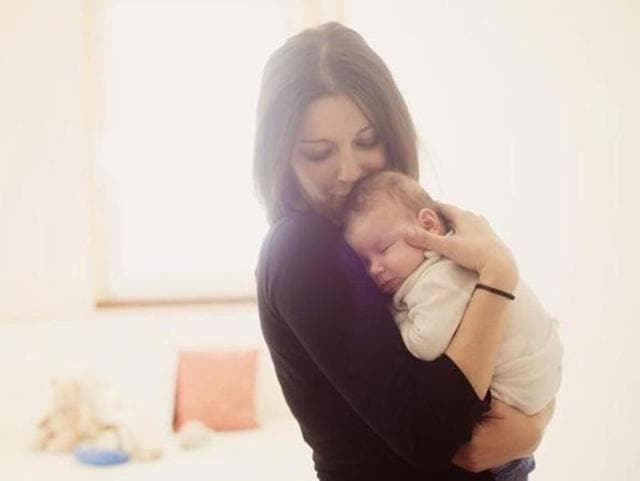
Babies who are born through Caesarean, exposed to antibiotics and are fed on formula milk are likely to have a slow growth as well as a decline in the diversity of microbes throughout the first year of life, finds a new study.
The findings showed that such children were at an increased risk of developing asthma, autoimmune diseases and obesity.
Read: Moms’ folic acid use can cut infant’s autism risk
Compared to vaginally born infants, those delivered by C-section showed significantly greater diversity of species in the weeks after birth.
However, these measures declined in Cesarean-born infants during their first month, after which they displayed lower diversity up to two years of age.
“Our results provide evidence that modern practices have changed a baby’s microbial communities in ways that last through the first year,” said Martin Blaser, Professor at New York University.
{{/usCountry}}“Our results provide evidence that modern practices have changed a baby’s microbial communities in ways that last through the first year,” said Martin Blaser, Professor at New York University.
{{/usCountry}}Read: Adults who never lose childhood sweet tooth at higher obesity risk
“The change in birth mode interrupted the natural interplay between diversity and dominance,” Blaser added.
Further, antibiotic treatment also significantly diminished diversity of bacterial species immediately following birth.
Children fed on formula milk showed a decrease in the diversity of species during the second year of life also.
The study, published in the journal Science Translational Medicine, focused on the microbiome, the mix of bacterial species that live on human skin and in our guts and that co-evolved with humans to play roles in digestion, metabolism and immunity.
The team assessed the effects of modern practices on intestinal microbiota development in 43 US children of these 24 of were born by vaginal delivery and 19 by C-section.
They then used genomic and statistical techniques to analyse the millions of pieces of bacterial DNA in the samples.
Catch your daily dose of Fashion, Taylor Swift, Health, Festivals, Travel, Relationship, Recipe and all the other Latest Lifestyle News on Hindustan Times Website and APPs.
Catch your daily dose of Fashion, Taylor Swift, Health, Festivals, Travel, Relationship, Recipe and all the other Latest Lifestyle News on Hindustan Times Website and APPs.