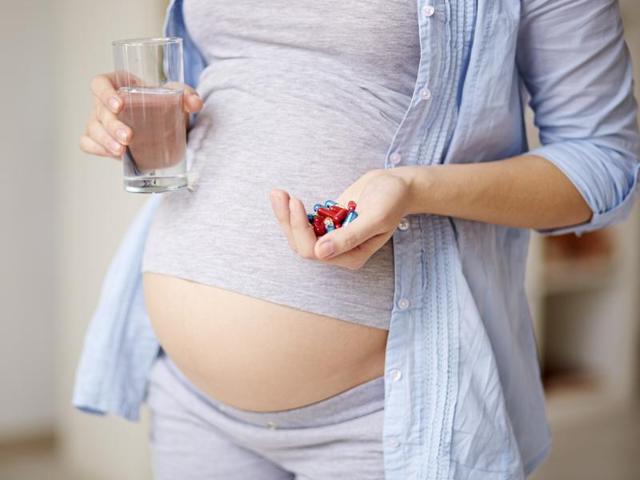
Bisphenol A (BPA), a chemical commonly used in plastics, is once again in the spotlight. Previous research has identified this synthetic estrogen as an endocrine disruptor linked to conditions such as asthma, anxiety, the early onset of puberty in girls, diabetes, obesity and heart disease in adults.
However, until now, few studies had examined the link between prenatal exposure to BPA during pregnancy and pathological effects in children. Back in May, a team of scientists in the US identified in utero BPA exposure as a potential risk factor for obesity.
Read: Smoking, weight-loss mania is giving women more heart trouble than ever
Now, researchers at Columbia University in New York have studied 241 non-smoking pregnant women and their children. To measure the quantity of BPA absorbed, the scientists collected urine samples from the women during the third trimester of their pregnancy. Samples were also collected from their children at ages three, five and 10 to 12 years old. At the end of the study period, the children underwent psychosocial tests and interviews to evaluate potential signs of depression and anxiety.
The scientists found that boys with the highest levels of prenatal BPA exposure had more symptoms of anxiety and depression than boys with lower levels of exposure. However, no such associations were found in girls. The study suggests that the male brain could be more susceptible to the effects of BPA exposure when developing in utero.
{{/usCountry}}The scientists found that boys with the highest levels of prenatal BPA exposure had more symptoms of anxiety and depression than boys with lower levels of exposure. However, no such associations were found in girls. The study suggests that the male brain could be more susceptible to the effects of BPA exposure when developing in utero.
{{/usCountry}}Read: Watch your weight gain during pregnancy, it may lead to premature births
The researchers consider this potentially elevated risk of anxiety and depression particularly worrying, as such conditions can affect children’s ability to concentrate, socialize and succeed at school. Several countries have banned BPA in certain products. In Europe, the European Food Safety Authority (EFSA) announced in April that it would re-examine the effects of BPA on the immune system to take into account recent research highlighting potential risks for children and foetuses.
To minimise contact with BPA, experts recommend avoiding plastic containers labelled with the number 3 and 7, and switching canned foods for frozen or fresh produce. Where possible, choose containers made from glass, porcelain or stainless steel, especially for hot foods and liquids. The study was published in the journal Environmental Research.
Catch your daily dose of Fashion, Taylor Swift, Health, Festivals, Travel, Relationship, Recipe and all the other Latest Lifestyle News on Hindustan Times Website and APPs.
Catch your daily dose of Fashion, Taylor Swift, Health, Festivals, Travel, Relationship, Recipe and all the other Latest Lifestyle News on Hindustan Times Website and APPs.