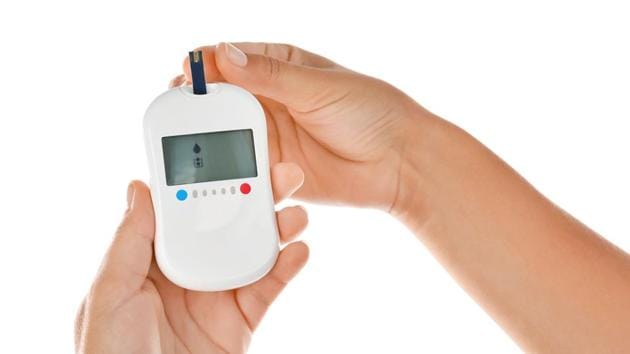
The medicine that can delay your diabetes is right on your coffee table.
‘Cafestol’, a bioactive substance found in coffee, could help delay the onset of Type-2 diabetes, improve cell function and insulin sensitivity in laboratory mice, according to a study carried out by a team of scientists in Denmark.
This is yet another research finding that has driven coffee from its universal role as a breakfast beverage into the list of items that can be recommended for a healthy diet and lifestyle. For instance, recently researchers at the University of Southern California in the US - in a study of more than 1,80,000 participants - found that drinking coffee could lead to a longer life.
Researchers have also earlier identified substances in coffee that could help reduce the risk of developing diabetes but ‘cafestol’ is one substance that has so far been untested.
In their study, the researchers wanted to see if ‘cafestol’ would help prevent or delay the onset of Type-2 diabetes in mice. The findings have been reported in the American Chemical Society Journal of Natural Products.
According to the authors, “the finding could spur the development of new drugs to treat or even prevent the disease”. For their study, the scientists chose a model of mice - called KKAy mice -- that are prone to develop diabetes. Forty-seven male mice were randomly divided into two groups - treatment and control groups.
{{/usCountry}}According to the authors, “the finding could spur the development of new drugs to treat or even prevent the disease”. For their study, the scientists chose a model of mice - called KKAy mice -- that are prone to develop diabetes. Forty-seven male mice were randomly divided into two groups - treatment and control groups.
{{/usCountry}}While all the mice consumed a normal diet, the mice in the treatment group were fed daily with ‘cafestol’ for 10 weeks. The animals in the control group were not given ‘cafestol’. At the end, blood samples for fasting glucose, glucagon and insulin as well as liver, muscle and fat tissues for gene expression analysis were collected.
The researchers isolated islets of Langerhans - which produce insulin - and measured their insulin secretory capacity. “After 10 weeks of intervention, fasting plasma glucose was 28-30% lower in ‘cafestol’ group compared with the control group,” the researchers report.
“Fasting glucagon was 20% lower and insulin sensitivity improved by 42% in the high-cafestol group. Cafestol increased insulin secretion from isolated islets by 75-87% compared to the control group.” The researchers conclude their results show that cafestol possesses anti-diabetic properties in mice.
“Consequently, cafestol may contribute to the reduced risk of developing Type-2 diabetes in coffee consumers and is a good candidate for drug development to treat or prevent the disease in humans.”
Follow @htlifeandstyle for more
Catch your daily dose of Fashion, Taylor Swift, Health, Festivals, Travel, Relationship, Recipe and all the other Latest Lifestyle News on Hindustan Times Website and APPs.
Catch your daily dose of Fashion, Taylor Swift, Health, Festivals, Travel, Relationship, Recipe and all the other Latest Lifestyle News on Hindustan Times Website and APPs.