Last week, a two-and-a-half-year-old child in Meghalaya’s West Garo Hills tested positive for poliomyelitis, commonly known as polio. While this news might alarm some, it's important to clarify that this was not a case of wild polio. According to officials from the Union ministry of health and family welfare, the case involved vaccine-derived polio. The child, who was immuno-compromised, contracted the virus—a situation not uncommon in children with weakened immune systems.
Polio is a highly infectious viral disease that primarily
Last week, a two-and-a-half-year-old child in Meghalaya’s West Garo Hills tested positive for poliomyelitis, commonly known as polio. While this news might alarm some, it's important to clarify that this was not a case of wild polio. According to officials from the Union ministry of health and family welfare, the case involved vaccine-derived polio. The child, who was immuno-compromised, contracted the virus—a situation not uncommon in children with weakened immune systems.
Polio is a highly infectious viral disease that primarily affects children under five years old. The virus is usually spread through the fecal-oral route, though it can also, albeit rarely, be transmitted via contaminated water or food. Once inside the body, the virus multiplies in the intestine and can invade the nervous system, potentially causing paralysis.
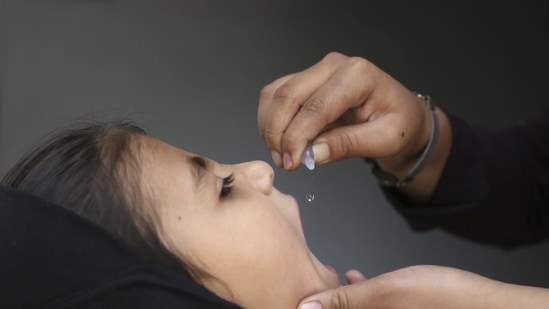
Vaccine-derived poliovirus (VDPV) is a strain of poliovirus that has mutated from the strain originally contained in oral polio vaccines (OPV). OPV contains a live, weakened form of the poliovirus, which replicates in the intestine for a limited period, helping to build immunity by producing antibodies. However, in rare cases, while replicating in the gastrointestinal tract, OPV strains can undergo genetic changes and spread in communities that are not fully vaccinated, particularly in areas with poor hygiene, inadequate sanitation, or overcrowding. The lower the population's immunity, the longer the vaccine-derived poliovirus survives, increasing the likelihood of genetic changes.
In very rare instances, the vaccine-derived virus can mutate into a form that can cause paralysis, similar to wild poliovirus. This phenomenon is what is known as vaccine-derived poliovirus (VDPV). Vaccine-associated paralytic polio (VAPP) occurs in approximately 1 in 2.7 million doses of OPV administered, typically with the first dose. VAPP does not lead to secondary cases or outbreaks.
Sporadic cases of vaccine-derived polio continue to occur in India because some areas still have conditions conducive to its spread. However, the reporting of vaccine-derived cases does not indicate the return of wild polio, which was officially eradicated in India in 2014, as declared by the World Health Organization (WHO).
Wild poliovirus circulation remains a significant concern, especially as neighbouring countries like Pakistan and Afghanistan still report wild polio cases. The re-emergence of wild poliovirus in India would indeed signal the return of the disease, warranting immediate concern.
While vaccine-derived polio is rare and not as alarming as wild poliovirus, the ultimate goal remains the eradication of both forms of the virus. This underscores the need for continued vigilance, robust immunization programs, and improved sanitation to protect against all forms of polio.
Rhythma Kaul, national editor, health, analyses the impact of the most significant piece of news this week in the health sector
One Subscription.
Get 360° coverage—from daily headlines
to 100 year archives.
Archives
HT App & Website
Catch your daily dose of Fashion, Health, Festivals, Travel, Relationship, Recipe and all the other Latest Lifestyle News on Hindustan Times Website and APPs.
Catch your daily dose of Fashion, Health, Festivals, Travel, Relationship, Recipe and all the other Latest Lifestyle News on Hindustan Times Website and APPs.