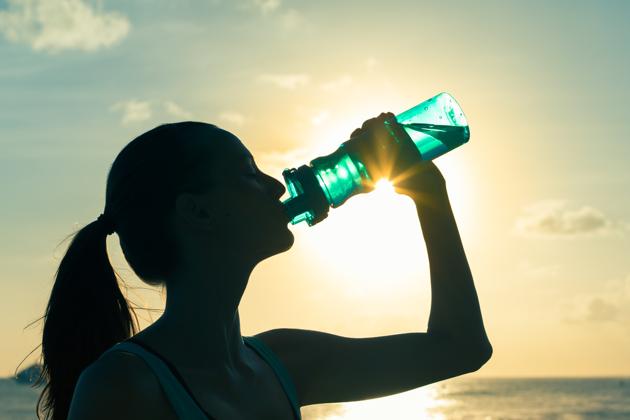
Summer temperatures have crossed 45 degrees Celsius in many parts of India, leading to increasing cases of heat cramps, heat stroke, fever and gastrointestinal problems, such as diarrhoea.
“Since Lok Nayak is a tertiary hospital, we get only the serious heat stroke cases. The numbers have gone up significantly over the last month. We get only a fraction of the serious cases, which means there are several thousands of people getting heat exhaustion and fatigue getting treated at neighbourhood clinics,” said Dr Naresh Gupta, professor of medicine, Lok Nayak hospital in central Delhi.
Heat stroke is the most serious form of heat related illnesses and can cause damage to the brain and other organs.
“Older persons and children are at increased risk of heatstroke, heat cramps and exhaustion at temperatures that a healthy person can endure without signs of discomfort or sickness,” said Dr Ajay Aggarwal, director of the department of internal medicine at Fortis Hospital, Noida.
Prolonged exposure to high temperatures and excessive physical exertion can result in a heat stroke, a serious condition in which the body gets overheated and people collapse.
{{/usCountry}}Prolonged exposure to high temperatures and excessive physical exertion can result in a heat stroke, a serious condition in which the body gets overheated and people collapse.
{{/usCountry}}People must pay attention to the signs and symptoms . “Most people think that it’s hot and it is normal to be exhausted and thirsty. They do not think of it as a medical condition and prefer to just stay at home rather than go to a doctor,” said Dr Gupta.
Doctors are also worried about gastro-intestinal infections and food-borne diseases because of the high temperatures.
“Water borne diseases like typhoid and jaundice and even diarrhoea usually go up during the summers because people tend to drink water from vendors outdoor, which may be contaminated. Rains just add to the worry as water coming to the homes may also be contaminated,” said Dr Srikant Sharma, senior consulting physician in Moolchand hospital.
“People must drink only filtered water and carry some with them when they step out. Even if someone does not have a filter, they can just boil the water, cool it and then have it. People must also avoid eating food, especially cut fruits, from street-side vendors as there are high chances of contamination,” said Dr Naresh Gupta, professor of medicine at Lok Nayak hospital.
“The sudden rise in temperature from normal to extremely hot can make a person sick due to exposure to bacteria. Additionally, it can weaken the immune system and make one more prone to germs,” said Dr Aggarwal.
Signs you must watch out for
• Lethargy: People must go to the doctor if they have been out in the heat and feel unwell and exhausted afterwards. They must also visit a doctor if they do not feel better despite having water and salt-and-sugar-solution.
• Sweating: “Sweating is the body’s mechanism of regulating its temperature. When people sweat, water comes out of their bodies and evaporates, thus cooling them down. But, the heat might affect the regulatory mechanism and prevent sweating. This would result in heat accumulating in the body and then causing fever. If a person is not sweating, even when they are out in the heat, it is a good idea to go to a doctor,” said Dr Gupta.
• Dehydration: don’t wait to feel thirsty before drinking water. Your lips, mouth and skin should not feel dry.
• Muscle weakness and cramping are also signs of heat stroke
• Changes in the behaviour such as confusion, disorientation and staggering can also be caused by heat
Catch your daily dose of Fashion, Taylor Swift, Health, Festivals, Travel, Relationship, Recipe and all the other Latest Lifestyle News on Hindustan Times Website and APPs.
Catch your daily dose of Fashion, Taylor Swift, Health, Festivals, Travel, Relationship, Recipe and all the other Latest Lifestyle News on Hindustan Times Website and APPs.