Herbicide-tolerant cotton was grown on up to 30% of India’s cotton acreage in 2025-26, an industry-backed study has estimated, as farmers seek cheaper ways to control weeds and the approved technology struggles with pest resistance. The South Asia Biotechnology Centre (SABC) study found unauthorised herbicide-tolerant Bt (HTBt) cotton was grown on an estimated 6.5-7.2 million acres in India during the 2025-26 kharif season, accounting for 24-30% of the country’s cotton acreage.
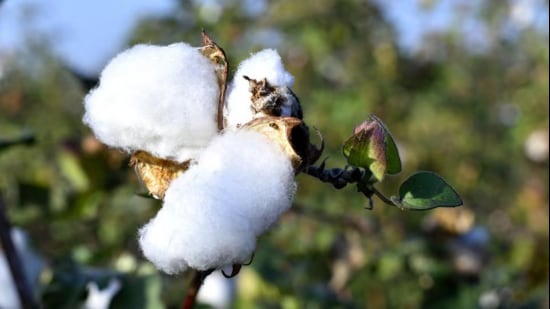
The Federation of Seed Industry of India and the National Seed Association of India supported the field study, which estimated the informal seed market at ₹820-880 crore. The findings point to growing farmer demand for technology that reduces weeding costs, amid concerns over the effectiveness of existing Bt cotton against pink bollworm.
What is Bt cotton, and when was it introduced?
Bt cotton is genetically modified cotton that produces insecticidal proteins derived from a soil bacterium, Bacillus thuringiensis, which target specified insect pests, particularly bollworms. India approved Bt cotton for commercial cultivation in 2002. The technology helped reduce bollworm damage and insecticide use, and its adoption coincided with a sharp rise in cotton production.
Cotton production increased from 8.6 million bales in 2002-03 to 35.2 million bales in 2011-12. Average yield rose from 191 kg per hectare to 491 kg per hectare over the same period, according to government data. One Indian bale contains 170 kg of cotton lint. By 2023-24, Bt cotton accounted for more than 96% of India’s cotton acreage, according to the agriculture ministry.
Bt cotton protects against specified insects. It does not protect crops against every pest, disease, or weed.
{{/usCountry}}Bt cotton protects against specified insects. It does not protect crops against every pest, disease, or weed.
{{/usCountry}}Why has cotton production fallen?
India’s cotton production peaked at about 39.8 million bales in 2013-14. It fell to 29.1 million bales in 2025-26, according to provisional government figures released in July 2026, a decline of about 27% from the peak.
Pink bollworm resistance is one reason. The pest’s larvae damage cotton bolls, and resistance to the insecticidal proteins used in Bollgard-II has reduced the technology’s effectiveness. Weather conditions, declining acreage, crop diseases, and competition from other crops have also affected production. The textiles ministry has identified several of these factors in its assessment of the cotton sector.
A 2025 study published in the journal Agricultural Systems estimated average annual cotton yield losses from pink bollworm at 3.75%.
What is HTBt cotton?
HTBt cotton combines two genetic traits. It produces proteins that target specified insect pests and allows the cotton plant to survive a particular herbicide, enabling farmers to kill susceptible weeds without damaging the crop.
The second trait is the main difference. Conventional Bt cotton does not automatically tolerate glyphosate, a broad-spectrum herbicide used to control weeds.
The SABC study found the CP4EPSPS gene, associated with glyphosate tolerance, in 72.7% of the samples it tested. It detected the Vip3A insect-resistance trait in 53.7% of samples. These percentages apply to the samples tested, not to all cotton fields in India.
The study found that 41.9% of samples carried four genetic traits: Cry1Ac, Cry2Ab, CP4EPSPS and Vip3A.
HTBt cotton has not been approved for commercial cultivation in India. The approval of conventional Bt cotton does not authorise additional genetic traits or combinations.
When did HTBt cotton emerge in India?
Unauthorised HTBt cotton began spreading in India during the 2010s. Its appeal grew as farmers looked for ways to control weeds without relying on expensive manual labour. A 2018 government committee document recorded concerns about unapproved herbicide-tolerant cotton and recommended action against illegal cultivation.
The technology has spread through informal seed markets. Farmers buying these seeds may not know their exact genetic composition, and they may have limited recourse if the seeds fail.
Why are farmers adopting HTBt cotton?
The main reasons identified by the SABC study are labour shortages and the cost of manual weeding. According to the study, glyphosate-based weed management costs ₹750-850 per acre, compared with ₹12,000-15,000 for manual weeding. These estimates need independent verification and may vary by region and farming conditions.
The study estimates HTBt adoption at 58% in Maharashtra, 66% in Telangana, and 49% in Andhra Pradesh. Adoption was highest in Yavatmal district (Maharashtra) at 76%, and 82% in Mahabubabad in Telangana.
What has been the criticism of Bt cotton?
The main criticism is that India has been slow to provide farmers with improved cotton technologies as existing ones lose effectiveness against pests. Bollgard-II, the dominant approved Bt cotton technology, uses two insecticidal proteins, Cry1Ac and Cry2Ab. Pink bollworm has developed resistance to these proteins, weakening the technology’s effectiveness. Concerns about resistance were evident by the mid-2010s.
Cotton productivity remains another concern. A parliamentary standing committee report presented in February 2024 put India’s average cotton productivity at about 447 kg per hectare, compared with 1,830 kg in Brazil and 1,065 kg in the US. The report cited factors including dependence on rainfall, inadequate irrigation, and farming practices. The lack of newer approved genetic technologies has added to the criticism.
Research is underway to address resistance. In July 2026, the Indian Council of Agricultural Research’s Sugarcane Breeding Institute announced a partnership with Rasi Seeds to develop cotton hybrids carrying a novel toxin intended to tackle pink bollworm resistance. The institute said commercial seeds could become available around 2030, subject to further development.