India’s waste challenge is a year-round one, but the festive season brings it into sharper focus. Large gatherings and higher consumption mean more waste, putting greater pressure on collection and recycling systems. As India observed Swachh Bharat Diwas on October 2, this is a timely moment to look beyond keeping public spaces clean and ask a larger question: what happens to the waste once it is collected?
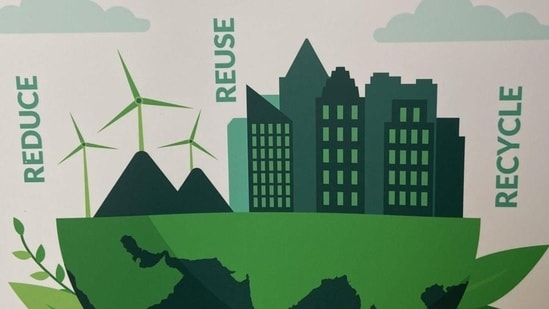
The answer will determine whether India’s next phase of Swachh Bharat is about managing waste better or using resources better.
The distinction matters. Collection and disposal remain essential, but they address waste after it has already been created. A circular economy takes a different approach. It seeks to reduce waste at the outset, keep materials in use for longer and return them to productive cycles wherever possible.
Source segregation is one of the most basic requirements for making this shift work. When wet and dry waste are mixed, recyclable material becomes harder and more expensive to recover. Segregation at source allows different materials to enter appropriate recycling and recovery streams.
There are already examples at scale. ITC’s Well-Being Out of Waste (WOW) programme promotes source segregation and creates livelihood opportunities. While the FMCG company managed more than 72,500 tonnes of plastic waste in FY 2025-26 and reached over 16.35 million households through its segregation programmes.
The significance of such initiatives is not only in the amount of waste collected. It is in the systems they seek to build around collection, segregation and recovery. A circular economy cannot begin at the recycling plant. It has to begin where waste is generated.
{{/usCountry}}The significance of such initiatives is not only in the amount of waste collected. It is in the systems they seek to build around collection, segregation and recovery. A circular economy cannot begin at the recycling plant. It has to begin where waste is generated.
{{/usCountry}}This also means looking beyond recycling. If the objective is to reduce the amount of material eventually becoming waste, the question has to be asked much earlier — at the product design and packaging stage.
Packaging is central to this discussion. Reducing material use, improving recyclability and finding alternatives to conventional plastics can influence what happens after consumption.
ITC is taking a three-pronged approach of ‘No Plastic, Better Plastic and Less Plastic’, covering alternative packaging, improved recyclability and reduced material use. Its Paperboards and Specialty Papers business is also developing biodegradable, paper-based and moulded-fibre alternatives to plastic packaging.
The broader principle is simple. Circularity should begin before a product reaches the consumer. Product design and material choices can determine whether something becomes waste or remains part of another production cycle. Using wastepaper as a raw material is one example of how material can return to production instead of being discarded.
The festive season offers a useful test of whether these principles can work beyond individual programmes. Large gatherings bring communities together, but also create concentrated volumes of packaging and other waste within a short period. The challenge is not simply to clear this waste quickly, but to ensure that it enters recovery systems rather than moving directly from consumption to disposal.
Coca-Cola India’s Maidaan Saaf campaign offers one example. During Ganesh Chaturthi in Mumbai and Thane, the initiative supported the collection of used PET bottles at four high-footfall locations, with Safai Saathis facilitating collection before the material was sent to recycling partners.
Such initiatives underline an important point. Waste management is not only about infrastructure. It is also about behaviour and participation. The people who generate, collect, sort and recycle waste are all part of the circular economy.
The challenge now is to take such interventions beyond individual programmes and build systems that can work consistently across cities and communities.
Businesses need to rethink product and packaging design. Governments and local bodies need stronger collection and segregation systems. Consumers need to participate more actively, while waste workers and recyclers need to remain an integral part of the system.
Companies can support this transition through measurable targets. ITC, for instance, aims to make 100 per cent of its packaging reusable, recyclable or compostable/biodegradable by 2028.
But no single company can create a circular economy on its own. India’s scale of consumption and urbanisation makes collaboration essential.
The larger lesson from Swachh Bharat is that cleanliness cannot mean merely the absence of visible waste. It should also reflect how efficiently a society uses its resources.
Swachh Bharat has helped make cleanliness and sanitation part of the national conversation. Its next phase should go a step further — from asking how quickly waste can be collected to asking how much can be prevented, recovered and reused.
The festive season may provide the immediate test, but the larger task is an everyday one. India cannot simply collect its way out of its waste challenge. It needs to design out waste, segregate better, recover more and keep materials in circulation for longer.
(The views expressed are personal)
This article is authored by Ranganath Tannir, secretary general, Think Change Forum.