
 E-Paper



How obesity drugs are being prescribed and accessed in India
Author - Dr Sanjay Agarwal, HOD, Diabetes, Obesity & Metabolic Diseases, Sahyadri Super Speciality Hospital, Nagar Road, Pune and secretary general, of RSSDI.

 Prefer HTon Google


Over past few months, doctors managing obesity and overweight have seen a meaningful shift in both patient demand and the solutions available in practice. For a long time, the options were limited: Patients were largely advised lifestyle management, and while this remains foundational, it typically resulted in only about 3–5% weight loss. Conventional medicines were used, but several older medicines eventually exited the market due to side-effect concerns. Even when newer options like liraglutide became available, the weight loss benefit was still modest at around 6–8%. For patients with severe obesity, the practical next step often became bariatric surgery, especially when body mass index (BMI) crossed the higher thresholds and comorbidities were present. However, there was a clear gap between lifestyle-only approaches and surgery—an interim space where many patients needed effective, medically supervised options.
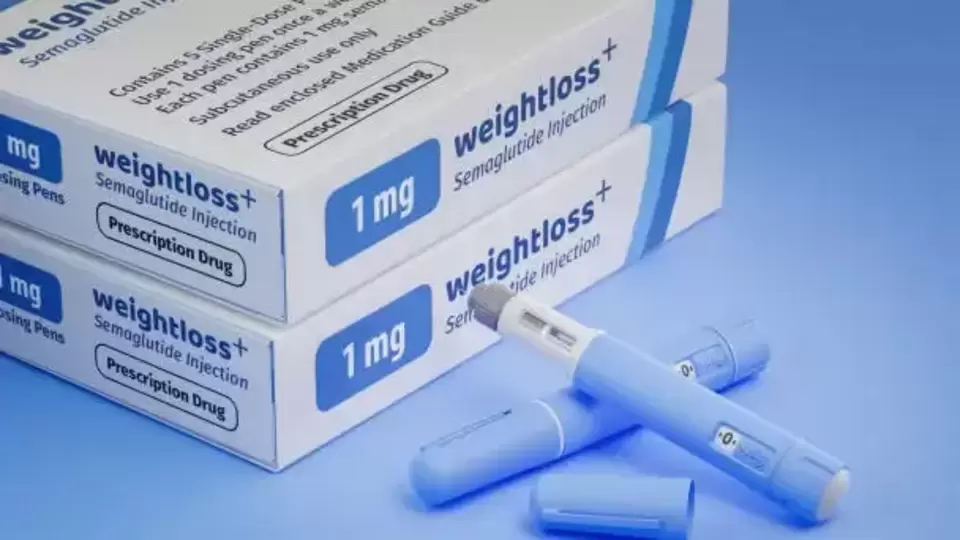
That gap is now being addressed through a newer generation of medicines, particularly GLP-1–based therapies and related drug classes. In simple terms, these medicines are designed to support weight loss through biological pathways rather than relying only on willpower and lifestyle change. Today, a broader pipeline of options is emerging, including GLP-1 analogs, combinations of GLP-1 with GIP, triple agonists, and even oral GLP-1 formulations. These therapies are becoming now practical tool for doctors to drive more substantial weight loss, making the treatment more scalable for patients who previously had limited choices for the weight loss.
Among the GLP-1 options, semaglutide is described as the most popular. Injectable semaglutide is associated with about 13–15% weight loss, while oral semaglutide offers approximately 8–10% weight loss. Another important option currently used in practice is tirzepatide, described as a GLP-1 plus GIP agent, which delivers about 18–20% weight loss. Clinically, these medicines are being positioned not only as weight-loss drugs but as “bridge” therapies—sitting between lifestyle management and bariatric surgery for patients who need more than lifestyle changes but may not be ready for, eligible for, or willing to undergo surgery. Their value is also framed beyond weight reduction alone, because weight loss tends to improve multiple obesity-linked conditions.
In terms of access and prescribing patterns, doctors are reporting that patients increasingly come proactively asking about these injections and whether they meet the eligibility criteria for treatment. This change is attributed to rising public awareness: There is more discussion in scientific and popular literature, sustained social media attention, and frequent coverage across print and television. Celebrity use is also described as influencing public perception and normalising the idea that medical treatment for obesity is possible and acceptable. Importantly, patient motivation is no longer purely cosmetic. Many individuals now seek treatment because they understand that excess weight is closely linked to broader health risks, and that reducing weight can improve multiple medical outcomes. Prescribing these medications actually requires following structured clinical protocols. Semaglutide and tirzepatide are the ones that are most commonly used. Doctors kick-start treatment with a low dose, and increase it every four weeks, which is done to reduce any unpleasant side-effects and make the medication more manageable. The initial phase is also when the most gastrointestinal side-effects arise. Usually, symptomatic treatment is used to manage these symptoms, and many patients eventually adjust, enabling doctors to continue therapy and raise the dosage even further.
Doctors also describe that the benefit is dose-related, meaning higher tolerated doses often lead to better outcomes. Therefore, patients are typically moved towards the maximum dose they can comfortably tolerate. Over time, most patients reach a “plateau,” a stage where weight loss slows and stabilises. This plateau point varies from person to person, and clinical decision-making becomes individualised—some patients are satisfied once they reach their own best achievable outcome, while others may need longer support.
Long-term use and the question of “how long to stay on these medicines” is approached with realism. Theoretically, longer continuation is expected to help sustain benefits, but in real-world settings, maintenance strategies become essential. Its emphasised that patients should aim to stabilise at their plateau and maintain progress through diet and exercise. A notable approach being used by some patients and doctors is intermittent therapy: When weight begins to rise again, the patient is restarted on a GLP-1 medicine; once weight comes down, the patient continues with diet and exercise again. This reflects the clinical recognition that weight regain is a persistent challenge across almost all weight-loss treatments.
The phenomenon of weight regain is explained as a “tick-back mechanism,” where the body tends to push weight upwards over time as part of its feedback response. Even when individuals do “everything possible,” some regain can occur. However, we observe that with careful follow-through, patients typically do not return fully to their original baseline weight. This highlights why sustained behavioural measures and continued engagement with the care team matter as much as the medicine itself.
From an access standpoint, two practical constraints stand out. The first is motivation—long-term outcomes require patients to continue doing “everything right,” which demands ongoing reinforcement and structured support. The second is affordability. These therapies are described as costly, and sustained access depends on whether patients can carry the financial commitment over time. Clinicians, therefore, frame treatment decisions through a practical cost-benefit lens: While the drugs are expensive, they may be viewed as worthwhile if they help reduce or prevent multiple weight-related health problems and their downstream complications.
Within clinical settings, prescribing is also being integrated into structured obesity programmes rather than being treated as a standalone quick fix. In one practice model described, doctors manage a substantial obesity workload across both a hospital setup and a personal clinic, supported by a dedicated outpatient department (OPD) for obesity. The care pathway is structured and deliberately lifestyle-first, with expert support for nutrition and exercise. The messaging to patients is explicit: Medicines cannot replace lifestyle measures, and the best results come when the drug is layered on top of disciplined dietary and activity changes. In my practice, around 80 to 100 patients per month I’ve seen for obesity management. Not all patients are placed on medication; lifestyle change remains the initial strategy, and medicines are introduced when patients do not achieve adequate results. A subset of patients is assessed as severely obese, where medication may not be sufficient and surgery becomes the appropriate route.
Concerning obesity treatment in India, a growing public awareness and understanding of the problem has led to patients initiating the conversation with doctors, and doctors are starting to consider more aggressive use of medications. However, prescriptions for these medications still remain linked to thorough eligibility assessment, which is followed by dose titration, the management of any adverse effects, and a rigid adherence to diet and exercise as non-negotiable components. The treatment landscape is evolving from a binary choice—lifestyle versus surgery—into a stepped care model where medicines such as semaglutide and tirzepatide provide a credible middle path for many patients, while also requiring sustained motivation and affordability to translate early results into long-term health gains.
This article is authored by Dr Sanjay Agarwal, HOD, Diabetes, Obesity & Metabolic Diseases, Sahyadri Super Speciality Hospital, Nagar Road, Pune and secretary general, of RSSDI.


