E-Paper



No response yet on invite to Brics Summit for Bangladesh PM Tarique Rahman
Prime Minister Tarique Rahman has been invited to the Brics Summit in New Delhi in his capacity as the chair of the Bimstec grouping

 Prefer HTon Google


The Bangladesh government is yet to convey its formal acceptance of India’s invitation to Prime Minister Tarique Rahman to attend the Brics Summit next month amid a recent downturn in bilateral relations, people familiar with the matter said on Wednesday.
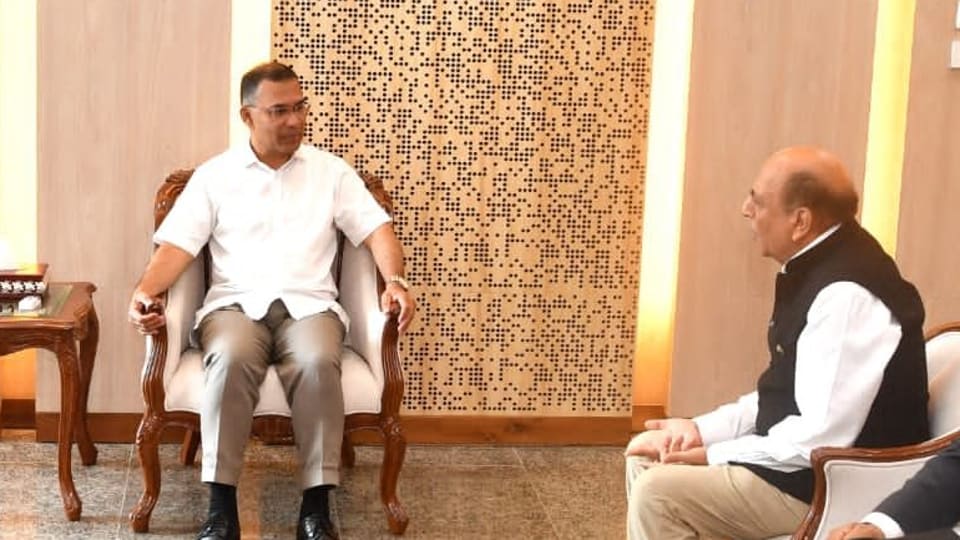
Rahman was invited to the Brics Summit to be held in New Delhi during September 12-13 in his capacity as the current chair of the Bimstec grouping. India’s envoy Dinesh Trivedi is understood to have reiterated the invitation at a meeting with Rahman in Dhaka on August 10.
With barely a month to go for the Brics Summit, the Bangladesh side is yet to inform India about its acceptance of the invitation, the people familiar with preparations for the event said on condition of anonymity.
Besides Rahman, India has invited the leaders of Bahrain, the chair of the Gulf Cooperation Council; Burundi, the chair of the African Union; the Philippines, the chair of Asean; and Uruguay, the chair of the Community of Latin American and Caribbean States (CELAC), for the outreach session of the Brics Summit.
Similarly, the people said, there has been no word from Dhaka so far on the Indian government’s invitation to Rahman for a bilateral visit. That invitation was extended through a letter sent by Prime Minister Narendra Modi to Rahman at the time of his swearing-in in February.
A day ahead of the meeting between Trivedi and Rahman, Bangladesh’s Prothom Alo newspaper had reported, citing its sources, that it was “almost certain” the Bangladesh Prime Minister would not attend the Brics Summit because of “fresh tensions” in bilateral ties after former premier Sheikh Hasina addressed a virtual news conference from New Delhi on August 5.
At the meeting between Rahman and Trivedi, the Bangladesh side urged India to expedite the extradition of Hasina, who has lived in India since she fled Dhaka in August 2024. The Indian side responded by saying that the extradition request, which was made in late 2024, is being examined in line with established processes.
The people said the Brics Summit may not be the ideal venue for a bilateral meeting between the Prime Ministers of the two countries, especially since a lot of hopes are riding on such a meeting to reset the bilateral relationship. “There will be bilateral meetings with all the leaders of Brics member states and the leaders of other countries, and there may not be time for a substantive meeting,” one of the people said.
“A bilateral visit from the Bangladesh side may be a better opportunity for the two leaders to have more substantial discussions on all the important issues between India and Bangladesh,” the person said.
Besides Hasina’s presence in India, which is currently the main irritant in bilateral ties, Dhaka has raised issues such as the alleged killing of Bangladeshi nationals in firing by India’s border security forces and the so-called “pushback” of undocumented migrants from the states of Assam and West Bengal. The two sides are also yet to begin the substantive work for renewing the Ganga Waters Treaty, which is set to expire at the end of the year.