
 E-Paper



2 years after Pulwama terror attack, safer convoy movements now
Reduced size of convoys, bulletproof vehicles and restricting the movement of civilian vehicles on the highway when the convoys of security forces are on the move are some of the measures take to ensure that terrorists do not carry out another suicide car bombing.

 Prefer HTon Google


Two years since a Jaish-e-Mohammad (JeM) suicide bomber Adil Ahmad Dar rammed his explosive-laden car in the Central Reserve Police Force (CRPF) convoy on the national highway in Pulwama killing 40 troopers, a lot has changed in terms of convoy movement and the way troops secure their camps in the Kashmir valley.
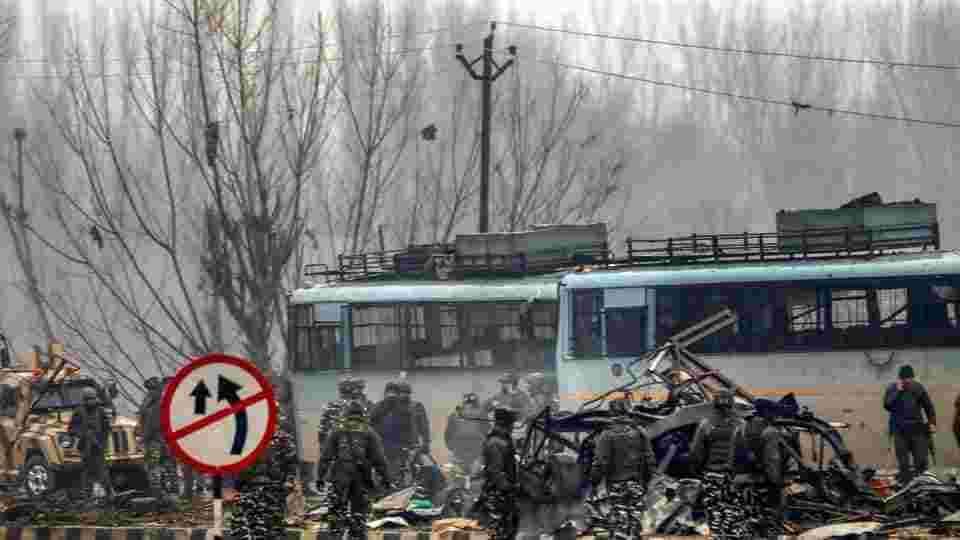
Immediately after the deadly attack on that fateful day that pushed India and Pakistan to the brink of war, the CRPF decided to completely overhaul its SOP (standard operating procedure) for moving convoys on the highways. Instead of moving in large convoys, like the one on February 14, 2019 with 78 vehicles, it was decided that personnel will move in smaller contingents with a maximum of 40 vehicles.
A Superintendent of Police rank officer started commandeering the convoys and troops were ordered to strictly adhere to the ‘passenger manifest discipline’ for each vehicle in the convoy.
Since the attack, the majority of vehicles used for convoy movements have been upgraded to withstand bullet and low intensity Improvised Explosive Device (IED) explosions.
The ROPs (road opening parties), which are placed before the convoy moves on the highway, have been strengthened and trained for early warning mechanisms in identifying suspects who could attack the moving vehicles. Subsequently, there is better coordination between central intelligence agencies, Jammu and Kashmir police and army on possible terror threats, people familiar with the developments said.
A major decision taken after the Pulwama attack was to restrict the movement of civilian vehicles on the highway when the convoys of security forces are on the move.
The government has also allowed all personnel to take a flight to Srinagar from either Jammu or Delhi and air courier service for the central paramilitary forces has been increased by adding flights from Delhi to Srinagar via Jammu and back.
A senior CRPF official, requesting anonymity, said “We keep changing our strategy depending on the ground situation. The convoys are safe now. Also, large numbers of terrorists have been neutralized and there is constant watch on terror groups”.
Similarly, the security of camps has been increased in Jammu and Kashmir by all forces in the last two-three years. People familiar with the developments said that since the 2016 Uri attack and then Pulwama attack (2019), the perimeter or outer cordon security at most camps in Kashmir has been doubled and most personnel have been equipped with latest arms and ammunitions and night vision devices. The vehicles are now not allowed to park outside security forces’ camps and there is regular audit of personnel, vehicles, arms and ammunition and intelligence is shared in real time with all camps/headquarters offices.
To mark the second anniversary of Pulwama attack, the CRPF will organize a wreath laying ceremony at its Lethpora camp in Pulwama to pay tributes to 40 jawans. The event will be watched by all CRPF formations across the country.


