
 E-Paper



Banks across India may be closed on January 27: Here's why a strike has been called
Most public sector banks have said they have alerted customers about possible disruption in services if the strike materialises.

 Prefer HTon Google


Bank staff unions have announced a nationwide strike on January 27 to press for their long-pending demand for a five-day work week.
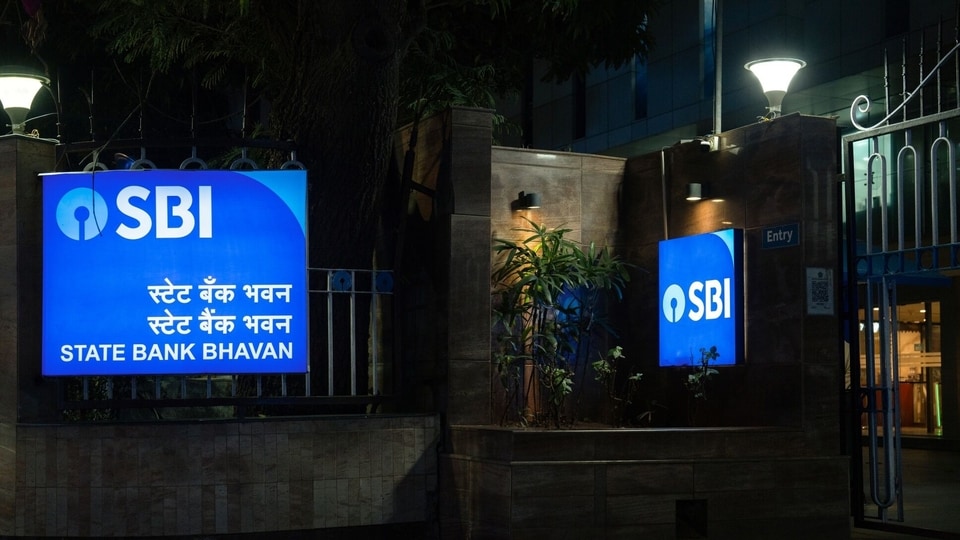
If the strike goes ahead, it is expected to disrupt public sector banking operations for three consecutive days, as January 25 and 26 are already holidays.
Also Read | Unions plan strike, banks across India to be hit on Jan 27. Here's what employees want
Why the strike?
The demand is rooted in an agreement reached between the Indian Banks’ Association (IBA) and the United Forum of Bank Unions (UFBU) during the wage revision settlement in March 2024, news agency PTI reported.
Under this settlement, both sides had agreed to declare all Saturdays as holidays. However, the decision has not yet been implemented.
Most public sector banks have said they have alerted customers about possible disruption in services if the strike materialises.
After the UFBU served a strike notice, the Chief Labour Commissioner held conciliation meetings on Wednesday and Thursday in an attempt to resolve the issue. Despite these discussions, the unions said there was no positive outcome. As of Saturday evening, the UFBU said it was still planning to go ahead with the strike.
“Despite detailed discussions, finally there was no positive outcome out of the conciliation proceedings,” the UFBU said.
Which banks will be affected?
Banks likely to be affected by the strike include State Bank of India, Punjab National Bank, Bank of India, Bank of Baroda and other government-owned banks.
Currently, bank employees get the second and fourth Saturdays off every month, apart from Sundays. This means that most weeks in the year continue to be six-day working weeks. The UFBU has argued that shifting to a five-day work week would not lead to a loss of man-hours, as employees have already agreed to work an additional 40 minutes each day from Monday to Friday.
“It is unfortunate that the government is not responding to our genuine demand,” the UFBU said earlier this month.
The union has also pointed out that several other institutions, including the Reserve Bank of India, LIC, stock exchanges and government offices, already follow a five-day work week. It has argued that there is no justification for banks to continue with a six-day schedule.
The UFBU is an umbrella organisation of nine major bank unions in India, representing employees across public sector banks and some old-generation private banks.
The strike is not expected to affect the functioning of branches of large private sector banks such as HDFC Bank, ICICI Bank and Kotak Mahindra Bank.


