At least 560 children from across Jharkhand suffering from Thalassemia, a genetic blood disorder which requires regular blood transfusion, are staring at a possible shortage of blood since donations have dried up due to the lockdown.
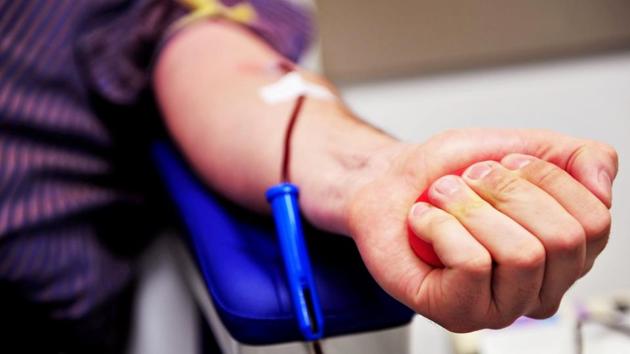
Atul Gera, founder of Life Savers, a voluntary group which organises blood donation camps for a daycare centre associated with a Ranchi hospital said that “they could not afford not to get donations done, not even for a day”.
Since the lockdown, the group has only managed to get 248 units of blood through six outdoor donation drives. Before the lockdown, they would have received at least 450 units.
Thalassemia is a genetic blood disorder characterised by less haemoglobin and fewer red blood cells in the body than is required. The delay lowers the haemoglobin levels leaving the patient weak and prone to damage to other vital organs. Therefore, thalassemic persons need regular blood transfusion.
The daycare centre started in July 2018 at the Ranchi Sadar Hospital. Life Savers, a sister concern of the Jharkhand Thalassemia Foundation, organizes blood donation camps for this centre. Gera said that there are an estimated 5000 thalassemic children across the state.
While the children are currently getting blood from the hospital’s blood bank, and other arrangements have been made, the decrease in blood donation is a worrying trend even in a post-lockdown scenario.
{{/usCountry}}While the children are currently getting blood from the hospital’s blood bank, and other arrangements have been made, the decrease in blood donation is a worrying trend even in a post-lockdown scenario.
{{/usCountry}}“Getting donors is the primary and critical requirement to run this centre. In order to cater to the needs of all the registered children, we need at least around 750 units of blood donated every month. It’s a challenge as even in normal times we are only able to get around 450 donations a month. Since the past one month, we are down to around 250 units,” Gera said.
The hospital has a blood bank, but Life Savers organises outdoor blood donation camps in the city, which are the main source of donations. Before the lockdown, they would hold camps every day; since March 25, however, only about six have taken place so far.
“The outdoor camps which we conduct with different organisations, residential societies are the main source of donations because people are generally reluctant due to various reasons to travel all the way to the blood bank,” Gera said.
At present, most of the donations are being done at the indoor facility in the hospital. Donors are given masks and sanitisers and asked to maintain distance from each other.
Ranchi district civil surgeon, Dr. BB Prasad, said though there has been a dip in blood donations, the hospital is managing by acquiring blood from other hospitals.
“It’s a new facility but we make sure that requirements are met. We send required blood from RIMS (Rajendra Institute of Medical Sciences),” he said.
Special arrangements have been made to ensure blood donation drives continue to take place: An e-pass is issued by the blood bank and sent to the donors through WhatsApp. The donors are required to carry an identity proof along with the e-pass, valid for two hours, to establish their identity.
In case any outdoor camp is held, their details are also posted on social media tagging the administration, police authorities and concerned authorities so that they are in the loop.
The HT Guide to Coronavirus COVID-19
“Donors are checked at various points but luckily no one has complained of being stopped till now,” Gera said.