
 E-Paper



Chhattisgarh: Raigarh panchayats adopt digital payment for revenue, vendors
Since the initiative’s roll-out, the panchayats have collectively mobilised over ₹10 crore in revenue during 2023–24


Raipur: All 549 panchayats of Raigarh district in Chhattisgarh have adopted digital payment systems, including UPI-based transactions, for tax collections and vendor payments, an official said.
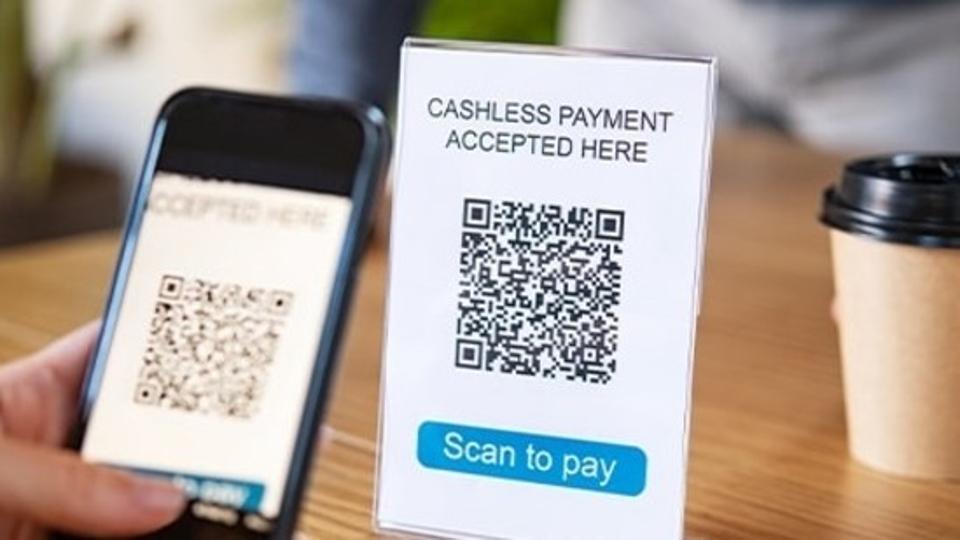
The initiative, which began in the financial year 2023–24, aligns with directives from the Union government to minimise human interface and plug leakages through increased use of digital mechanisms. Since the initiative’s roll-out, the panchayats have collectively mobilised over ₹10 crore in revenue during 2023–24.
“Raigarh is first district in Chhattisgarh which has started the digital payment system in village,” an official said.
The district administration spearheaded the move after a central advisory encouraged digital adoption to ensure accountability and streamline revenue processes.
“Each panchayat was assigned a unique UPI ID to enable secure and swift digital transactions and to build awareness and drive adoption, local officials promoted the initiative through posters in public places, announcements in gram sabhas, and dedicated WhatsApp groups within villages,” Zila Panchayat Raigarh CEO Jitendra Yadav said.
“Digital payment is not just a technological shift—it’s a governance reform. It empowers citizens, improves transparency, and enhances accountability, especially as people increasingly raise questions about fund usage in gram sabhas,” Yadav added.
Yadav explained that taxes collected via UPI now include water tax, lighting tax, and building tax (all of which are annual in nature). Additionally, panchayats have begun accepting payments digitally for haat bazaar leases, mobile tower leases, mela (fair) leases, and other community space rentals. “Vendor payments by panchayats are also increasingly being routed through digital systems, reducing the scope for irregularities and speeding up the process for beneficiaries,” he added.
While all 549 panchayats of Raigarh are now on board with the digital system, some residents continue to prefer physical payment methods. “The administration is working to bridge this gap and aims to achieve 100 percent digital adoption across all users by 2026,” Yadav said.
“The benefits are well-documented—we’ve included them clearly in our presentations. But the real feedback comes from the gram sabhas, where people are now more engaged and informed than ever before,” an official said.
-kW0H-U20214218012MgB-250x250%40HT-Web.jpg)


