
 E-Paper



Demand for Schengen visas rises in India; interview slots see shortages
Due to the surge, many Indians faced obstacles because of the unavailability of visa interview slots, causing disruptions to their travel arrangements.

 Prefer HTon Google


Schengen countries received the third-highest number of visa applications from India last year, totalling 9.7 lakh, marking a 44 per cent increase from 6.7 lakh in 2022. Among the top five countries, India experienced the second-highest rise in visa applications after China, with Morocco and Turkey following suit, as reported by the European Commission. However, due to the surge, many Indians faced obstacles because of the unavailability of visa interview slots, causing disruptions to their travel arrangements.
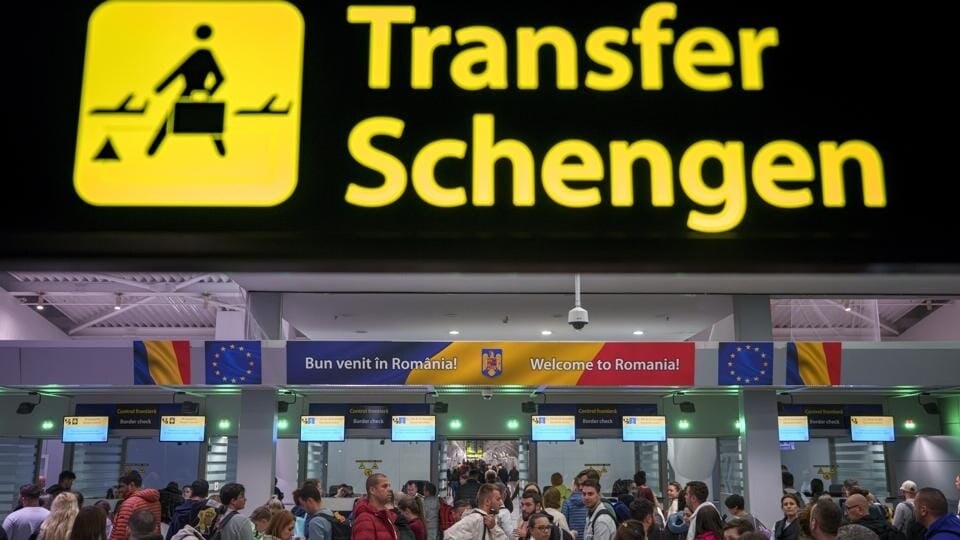
Vice-President of the Travel Agents Federation of India, Anil Kalsi told the Times of India, “Appointments are simply not available with a majority of Schengen countries. If you want to travel to Europe this summer, the earliest appointment date for Germany and Italy is in July. This is making life very difficult for travellers. Rules require people to apply to the consulate of the country which will be their primary destination in Europe. But people are forced to opt for any country that has an appointment available for a visa in time.”
According to travel experts in India, the real demand for Schengen visas is likely much higher than the official numbers suggest. However, due to the lack of available visa interview slots, many Indians who wished to travel were unable to even apply for Schengen visas.
Read Here | Visiting Germany as a foreign tourist: Who needs a visa?
Russia and China have experienced different dynamics. China, having opened its borders for international travel just last year, saw a significant surge in demand, jumping from 22nd place in 2022 to the top of the table in 2023. It recorded the highest increase, a remarkable 1,104 per cent, indicating a tenfold rise in applications compared to the previous year.
Russia, on the other hand, slipped from rank 2 in 2022 to rank 5 in 2023, mainly due to the war on Ukraine and the sanctions that were imposed thereafter. Russians' Schengen visa applications fell 25 per cent in this two-year span.
As per Times of India, several travel agents have complained to the Visa Facilitation Services (VFS) on various occasions but haven't received any responses.
Read Here: This is the most popular destination in Schengen area for Indians
Talking about the complaints, the VFS Global spokesperson told TOI, “Visa decision timelines are entirely at the discretion of the respective embassies/consulates... We urge travellers to plan travel early to avoid last-minute surprises. Most countries accept visa applications up to 90 days (3 months) before the date of travel." According to the revised Schengen Visa Code, effective Feb 2, 2020, you can apply for a Schengen visa up to 6 months before your date of travel.”
In fact, until recently European Union policy allowed the issuance of short-term visas to frequent visitors, which involved applying again and again. However, it has not changed, TOI reported.
The Schengen visa zone includes 25 EU member states along with four non-EU countries: Iceland, Liechtenstein, Norway, and Switzerland. The EU member states are — Austria, Belgium, Czech Republic, Denmark, Estonia, Finland, France, Germany, Greece, Hungary, Italy, Latvia, Lithuania, Luxembourg, Malta, Netherlands, Poland, Portugal, Slovakia, Slovenia, Spain, and Sweden.


