
 E-Paper



OBC representation below quota in postal dept, parliamentary panel flags shortfall
A parliamentary panel flagged OBC under-representation in several postal cadres and sought steps to meet the 27% quota, fill 207 backlog vacancies and raise GDS pay.

 Prefer HTon Google


The Parliamentary Committee on Welfare of Other Backward Classes (OBCs) has flagged under-representation of OBCs across several cadres in the Department of Posts and recommended filling backlog vacancies, enhancing the remuneration of Gramin Dak Sevaks (GDS) and strengthening welfare measures for OBC employees in a report tabled in the Lok Sabha on Friday.
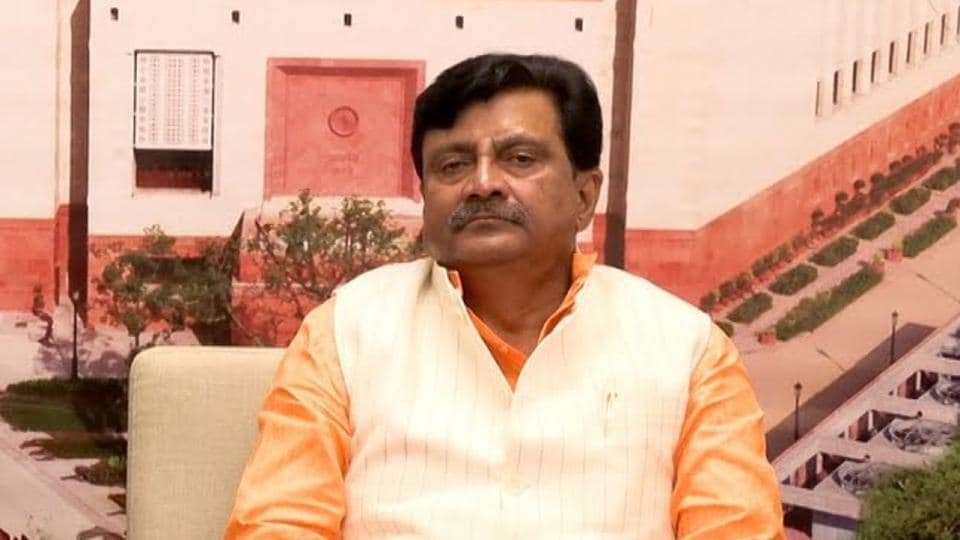
Committee chairman and Bharatiya Janata Party (BJP) lawmaker Ganesh Singh said the objective of the reservation system “is not merely to fulfil the prescribed percentage, but to ensure that eligible youth and employees belonging to the Other Backward Classes receive equal opportunities, due representation in employment and effective benefits of their rights.”
The report examined OBC representation in the Department of Posts, implementation of the reservation policy, the backlog of reserved vacancies, remuneration of GDS, welfare of OBC employees, and expansion of postal services in rural areas, according to the panel, which functions under the Ministry of Communications. The committee noted that despite the reservation policy being “implemented for more than three decades,” representation in several cadres has “not yet reached the prescribed level.”
As per data placed before the committee, OBC representation stood at approximately 7.2% at the Junior Time Scale level in Group A, 19.5% among Inspectors of Posts and 21% among Stenographers in Group B, and 25.2% among Postal Assistants/Sorting Assistants and 26.1% among Postmen/Mail Guards in Group C, all short of the prescribed 27% quota. The panel recommended that “concrete and effective measures” be taken to close this gap across all groups, and that it be kept updated on the progress.
On remuneration, the committee noted that more than 2.5 lakh GDS are currently employed in the Department of Posts, with minimum basic pay ranging between ₹10,000 and ₹12,000 a month for roughly four to five hours of daily work. Besides delivering postal articles, GDS also extend “India Post Payments Bank deposit and withdrawal facilities, banking services and other financial services” to rural areas, the report said, recommending an “appropriate enhancement” in their pay.
The panel was informed that 207 backlog vacancies reserved for OBCs remain unfilled in Group C, including one in Chhattisgarh, two in the North East, and 204 in West Bengal. It has asked the department to fill these “at the earliest” and to undertake “Special Recruitment Drives” where necessary to reach the 27% benchmark.
The committee also took note of the absence of “regular/periodic meetings” with OBC employees’ welfare associations, and asserted that OBC is “a social category recognised under the Constitution” and should not merely be viewed as “a group of castes.” It recommended that “necessary basic facilities” be extended to such associations functioning across the department’s circles.
On rural outreach, the report said 1.39 lakh of the country’s 1,64,987 post offices are in rural areas, of which around 28,000 currently operate from Gram Panchayat Bhawans. The department told the committee that roughly 10,000 additional rural post offices “could be accommodated” in such buildings, and the panel asked the government to coordinate with states and panchayati raj institutions to expand this arrangement, including new construction where required.
The committee has also directed the Department of Posts to ensure “strict compliance with the reservation provisions” for Scheduled Castes, Scheduled Tribes and OBCs in all temporary and contractual appointments lasting 45 days or more, citing a Department of Personnel and Training office memorandum dated May 15, 2018.
Singh said the recommendations are aimed at “strengthening the effectiveness of the reservation system, filling backlog vacancies, strengthening the welfare of OBC employees and further expanding access to postal and financial services across rural India,” and are in keeping with Prime Minister Narendra Modi’s vision of “inclusive development, equal opportunities and the empowerment of every section of society, particularly the Other Backward Classes.”


