
 E-Paper



Doctors struggling to treat long Covid patients in India. Here's why
Indian doctors face challenges in diagnosing long Covid due to limited guidelines. Studies show many recovered patients exhibit lingering symptoms.

 Prefer HTon Google


Doctors in India are struggling to diagnose and treat long Covid patients due to limited guidelines and scarce research on the condition. Despite the World Health Organization declaring an end to Covid-19 as a global health emergency, focused efforts are underway globally to estimate the burden of long Covid.
Long Covid refers to lingering symptoms affecting various body parts, persisting beyond the acute infection period. Common symptoms include cough, muscle and joint pain, fatigue, brain fog, and difficulty focusing.
Global and Indian Studies
A Harvard Medical School study published in the International Journal of Infectious Diseases estimated that:
- 31% of moderately or severely infected individuals in North America
- 44% in Europe
- 51% in Asia
experience long Covid.
In India, a Maulana Azad Medical College study found 45% of recovered Covid patients had lingering symptoms, with persistent fatigue and dry cough being most common.
Challenges in Diagnosis and Treatment
Doctors report a rise in patients complaining of symptoms not present pre-Covid, such as asthma-like conditions and neurological complications. However, there are no specific tests or guidelines for diagnosing long Covid.
"We really do not have any test to diagnose long Covid... We diagnose based on clinical symptoms and quality of life," said Dr. Neetu Jain, senior consultant at Pushpawati Singhania Hospital.
Research Efforts
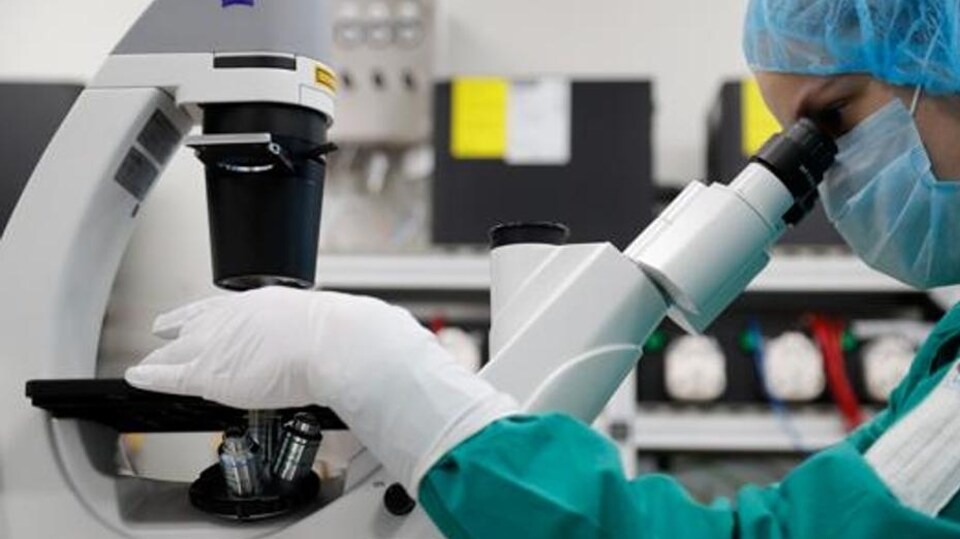
A team from Shiv Nadar University has developed a fluorescent probe to detect inflammation in brain cells due to Covid infection. This probe measures nitric oxide levels in microglia cells.
Experts emphasize the need for studies on sleep disorders, biological processes responsible for long Covid, and targeted interventions.
"Looking at the current state of long Covid studies in India, it is too premature to say that we understand the condition well enough," said Dr. Rajesh Sagar, Professor of Psychiatry at AIIMS.
The Indian medical community awaits more focused research to address the growing recognition of neurological complications in long Covid patients.


