
 E-Paper



Don’t telecast provocative content on Jahangirpuri violence: Govt to TV channels
As far as the reportage on Jahangirpuri violence is concerned, the information and broadcasting ministry said that it has observed a trend of provocative headlines and videos of violence that may incite communal hatred among the communities and disrupt peace and law and order.

 Prefer HTon Google


The ministry of information and broadcasting on Saturday cautioned private TV channels against broadcasting provocative and misleading content or videos of violence while reporting the Ukraine-Russia war and the communal clashes in Delhi’s Jahangirpuri.
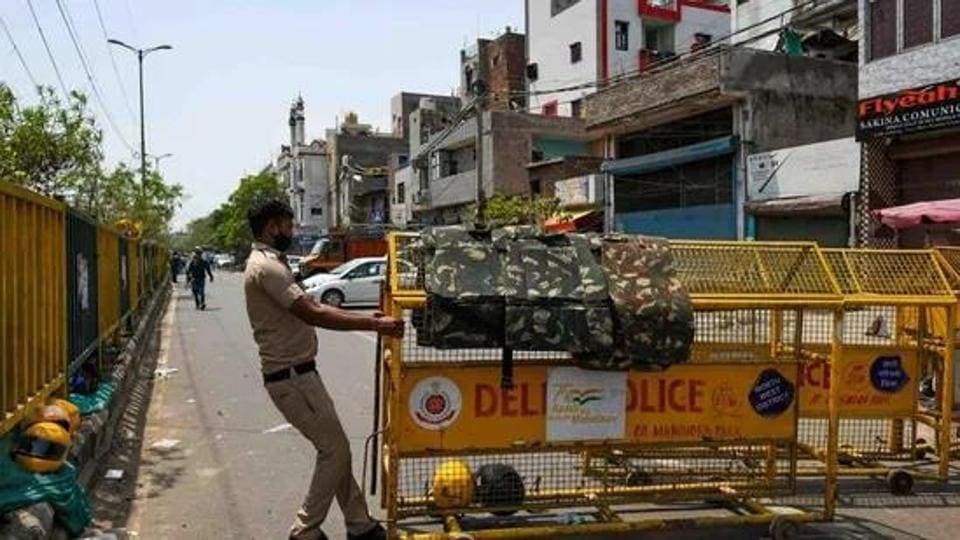
According to an advisory issued by the ministry, the government expressed serious concern about the manner in which the “television channels have gone about their operations in the matter of transmitting content and are hereby strongly advised to immediately refrain from publishing and transmitting any content which is violative of the aforementioned provisions of The Cable Television Networks (Regulation) Act, 1995 and the rules thereunder.”
HT has reviewed the advisory.
“In particular, attention is invited to reporting on Russia-Ukraine conflict, certain incidents in North-West Delhi and of certain news debates,” it said.
Also Read | On Jahangirpuri violence in Delhi, ED probe against key accused on foreign funds
The ministry said that the content “unauthentic, misleading, sensational and using socially unacceptable language and remarks, offending good taste and decency, and obscene and defamatory and having communal overtones, all of which appear to be violative of the Programme Code and infringement of the provisions of sub-section (2) of Section 20 of the aforementioned Act”.
As far as the reportage on Jahangirpuri violence is concerned, the ministry said that it has observed a trend of provocative headlines and videos of violence that may incite communal hatred among the communities and disrupt peace and law and order.
It also noted broadcasts may disrupt the ongoing investigation process by playing scandalous and unverified CCTV footages, showing footages of a specific community thus aggravating the communal tensions, besides sensationalising and giving communal colours to the actions of authority.
As examples, the ministry has cited the following broadcasts — Delhi mein Aman ke dushman kaun, aired on April 16, ‘Badi Sajis Dange Wali, Karauli, Khargone vaya Delhi’ (April 17), a video clipping of a man belonging to a specific community carrying a sword, claiming that this video depicts that it was pre-planned to spread violence in a religious procession (April 19), footage under the headline ‘Hinsa se ek raat pehle sajis ka video’ (April 19), and ‘vote Bank vs majoritarian politics’, (April 19).
With respect to the Russia-Ukraine conflict, the ministry pulled up the channels for using provocative headlines and videos of violence.
“One channel aired a news item ‘Ukraine mein Atomi Hadkamp’ on 18th April, 2022 during which it mentioned that Russia is planning a nuclear attack on Ukraine. It further sensationalised the situation and mentioned that the attack will happen in the coming few days. The report mis-quoted international agencies also,” the advisory said.
“Another channel indulged in war mongering continues to air fact-less speculations to an extent that had the tendency to infuse fear in the minds of viewers as it claimed that Russia has given a 24 hours deadline for the nuclear attack on Ukraine,” it said.


