Satellites and drones are driving efforts by Indian states to map informal settlements in order to speed up the process of delivering services and land titles, officials said.
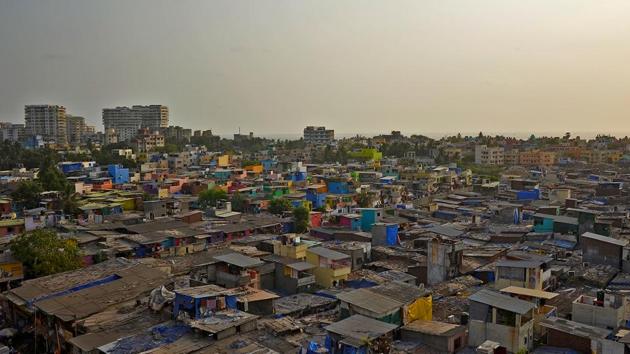
The eastern state of Odisha aims to give titles to 200,000 households in urban slums and those on the outskirts of cities by the end of the year.
Officials used drones to map the settlements.
“What may have takes us years to do, we have done in a few months,” G. Mathi Vathanan, the state housing department commissioner, told the Thomson Reuters Foundation on Tuesday.
Land records across the country date back to the British colonial era, and most holdings have uncertain ownership, leading to fraud and lengthy disputes that often end in court.
Officials in Mumbai, where about 60% of the population lives in informal settlements, are also mapping slums with drones. Maharashtra state, where the city is located, is launching a similar exercise for rural land holdings.
In the southern city of Bengaluru, a seven-year study that recently concluded used satellite imaging and machine learning.
The study recorded about 2,000 informal settlements, compared with fewer than 600 in government records.
“Understanding human settlement patterns in rapidly urbanising cities is important because of the stress on civic resources and public utilities,” said Nikhil Kaza, an associate professor at the University of North Carolina.
{{/usCountry}}“Understanding human settlement patterns in rapidly urbanising cities is important because of the stress on civic resources and public utilities,” said Nikhil Kaza, an associate professor at the University of North Carolina.
{{/usCountry}}“Geospatial analysis can help identify stress zones, and allow civic authorities to focus their efforts in localised areas,” said Kaza, who analysed the Bengaluru data.
About a third of the world’s urban population lives in informal settlements, according to United Nations data.
These settlements may account for 30 percent to 60 percent of housing in cities, yet they are generally undercounted, resulting in a lack of essential services, which can exacerbate poverty.
Identifying and monitoring settlements with traditional approaches such as door-to-door surveys is costly and time consuming. As technology gets cheaper, officials from Nairobi to Mumbai are using satellite images and drones instead.
About 65 million people live in India’s slums, according to census data, which activists say is a low estimate.
Lack of data can result in tenure insecurity, as only residents of “notified” slums - or those that are formally recognised - can receive property titles.
Lack of data also leads to poor policy because slums are “not homogenous”, said Anirudh Krishna, a professor at Duke University who led the Bengaluru study.
Some slums “are more likely to need water and sanitation facilities, while better off slums may require skills and entrepreneurship interventions,” he said.
“Lack of information on the nature and diversity of informal settlements is an important limitation in developing appropriate policies aimed at improving the lives of the urban poor.”
(This story has been published from a wire agency feed without modifications to the text.)