Cyclone Tauktae’s impact on Gujarat’s Gir national park, the country’s only home for lions in the wild, triggered a debate whether Madhya Pradesh’s Kuno Palpur wildlife reserve should take in some of the affected animals or go ahead with the planned relocation of cheetahs from Africa, conservation experts said on Monday.
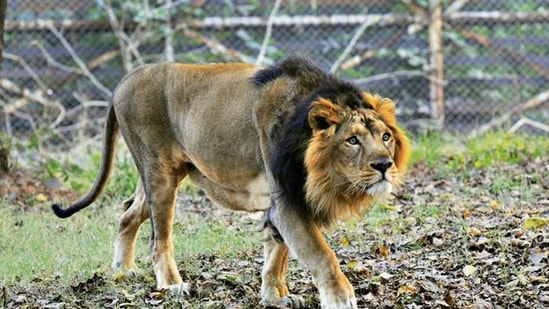
Most wildlife experts say Kuno should get lions from Gir as the habitat was originally developed for relocation of the big cats so that they could get a second home outside Gujarat, more so after the devastating Tauktae felled about 2.5 million trees in Gir. Though the Gujarat forest department said no lion died because of the cyclone, wildlife experts said Tauktae was a warning to governments that India needs a second home for the big cats.
“You can relocate people to safer places before a cyclone comes. Not wildlife. You need a second home for them to ensure that the Asiatic lion species is not wiped out from the wild,” said a scientist from the Wildlife Institute of India, wishing not to be identified.
The idea of finding a second home for lions was mooted in the early 1990s and the Madhya Pradesh government started developing Kuno as a second home for Asiatic lions. The Gujarat government refused to share lions with Madhya Pradesh, saying they were the pride of Gujarat.
{{/usCountry}}The idea of finding a second home for lions was mooted in the early 1990s and the Madhya Pradesh government started developing Kuno as a second home for Asiatic lions. The Gujarat government refused to share lions with Madhya Pradesh, saying they were the pride of Gujarat.
{{/usCountry}}Environmental activists filed a petition in the Supreme Court seeking directions to the Gujarat government to provide lions to Kuno. The Gujarat government refused to give lions to Madhya Pradesh arguing that they were safe in Gir and the state would create a second home for them, if needed, within Gujarat.
Lions did not get a second home even eight years after the Gujarat government told the Supreme Court this, despite almost 40% of the lion population in Gujarat living outside notified wildlife areas and being vulnerable to diseases from livestock. According to wildlife experts, 1,400sq km of Gir National Park has carrying capacity of about 250 or so lions and the park attained that level more than two decades ago.
“It (the overpopulated Gir) has twofold implications,” said wildlife biologist Meena Venkatraman, who has worked in Gir for more than two decades. “First, for the animal himself, and second, for the people living around them.” The signs of these implications are visible.
In September 2018, 27 lions in Gir died because of canine distemper virus (CDV) while 37 others had to be quarantined.
Gujarat forest department data shows that lion deaths because of conflict with people are on the rise. As per information provided to the state assembly, 159 lions died in 2020 as compared to 154 in 2019 in and around Gir and about one-third of them were probably because of conflict with humans.
Lions in a Hyderabad zoo contracting Covid-19 and Cyclone Tauktae revived the debate whether the animals need a new home. Wildlife biologist and conservation scientist Ravi Chellam said the possibility of the lion population getting wiped out because of a natural disaster is high though that of the cats in the wild contracting the virus from humans is “close to zero”.
Also read: Experts fear biodiversity loss in Andaman, Nicobar Islands
In the present circumstances, Kuno appears to be viable for translocation of lions as it was developed for them but it may not be readily available. A Supreme Court-appointed expert committee has decided to import cheetahs from South Africa in the green habitat, bordering Rajasthan’s Ranthambore tiger reserve. The central government earlier this month informed the Madhya Pradesh forest department that it could import eight cheetahs by November this year.
“Since the beginning Kuno was developed to receive Asiatic lions and was never seen from cheetah perspective,” said Faiyaz Khudsar, a wildlife biologist.
Those in favour of introduction of cheetahs such as MK Ranjitsinh said the project would help India in protecting some of its lost grasslands and create new wildlife habitats. Cheetahs were last spotted in India in the 1950s and Ranjitsinh first tried for their relocation from Iran in the 1970s. He was able to convince environment minister Jairam Ramesh in 2010 to get cheetahs and an expert committee headed by him was formed. The Supreme Court, however, imposed a stay on the project after wildlife conservationists approached the court.
“...Conservation of cheetahs can help in conserving grasslands and protecting grassland species like the Great Indian Bustard that are now less than 200 in India. Kuno may not be perfect but it is a good option,” Ranjitsinh had said in 2020.
Madhya Pradesh’ principal chief conservator of forests (wildlife), Alok Kumar, said, “We are leaving no stone unturned to develop Kuno as one of the best habitats for cheetahs. We have started construction of boundary wall and cutting thorny bushes.”