
 E-Paper



Heatwave toll nears 143, over 41,000 heatstroke cases reported so far in India | Top updates
Heatwave updates: Between March 1 and June 20, a total of 143 deaths attributed to heatwaves and 41,789 cases of heatstroke have been reported across India.

 Prefer HTon Google


The scorching heatwave, particularly affecting northern India, has resulted in the loss of nearly 143 lives nationwide, according to the health ministry sources cited by news agency PTI on Friday. However, the actual toll may surpass the reported figure. Additionally, over 41,000 cases of heatstroke have been reported thus far. Acting on directives from Union Health Minister JP Nadda, the ministry has issued an advisory to state health departments regarding the ‘Heatwave Season 2024’.
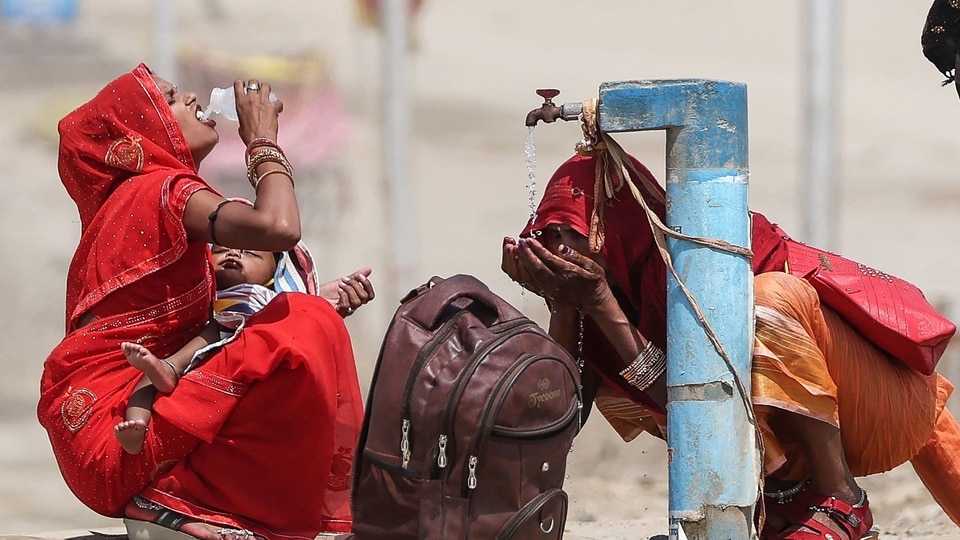
“The country may observe above normal seasonal maximum temperatures in line with the observed trend of summertime temperatures. To reduce health impacts of extreme heat, health departments must ensure preparedness and timely response,” the ministry said.
Top updates
- Between March 1 and June 20, a total of 143 deaths attributed to heatwaves and 41,789 cases of heatstroke have been reported across India. However, experts anticipate that the actual toll from the heatwave may be higher due to incomplete data submissions from states to the National Heat-Related Illness and Death Surveillance system managed by the National Centre for Disease Control (NCDC).
- In Delhi alone, the death toll due to the relentless summer heat reached at least 53 by Thursday. Public hospitals and the state government confirmed numerous fatalities since April, notwithstanding a recent drop in temperatures following a significant increase in wind activity the previous night.
- Despite the reported figures, it is estimated that temperatures in Delhi may have led to nearly 100 more deaths, including 40 recorded at Deen Dayal Upadhyay Hospital (DDU), pending confirmation through autopsies.
- The actual number of deaths during the summer months may surpass those reported by healthcare facilities, as many fatalities are likely to go unrecorded. Moreover, establishing a direct correlation between high temperatures and deaths can be challenging.
- Union Health Minister JP Nadda directed officials to visit central hospitals during the ongoing heatwave conditions to assess the provision of special arrangements for affected patients and to determine the extent of heatstroke-related fatalities in recent days. Nadda emphasised the importance of hospital readiness in providing optimal healthcare to affected individuals.
- Uttar Pradesh has been identified as the worst-affected state, with 37 reported deaths, followed by Bihar, Rajasthan, and Odisha. The NCDC's National Heat-Related Illness and Death Surveillance data highlight the number of deaths as Bihar (17), Rajasthan (16), and Odisha (13) between March 1 and June 19.
What does the ‘Heatwave Season 2024’ advisory say
- The advisory urged state nodal officers under the National Programme for Climate Change and Human Health (NPCCHH) to promptly submit daily data on heatstroke cases and deaths, as well as total deaths since March 1, in compliance with the Heat-Related Illness and Death Surveillance system.
- It emphasised the need for maintaining a digital line list of suspected or confirmed heatstroke cases and deaths at the health facility or hospital level, adhering to specified formats and procedures.
- Officials were instructed to ensure the dissemination of the National Action Plan on Heat-Related Illnesses (HRI) to all districts and to reinforce health system preparedness for dealing with HRI.
- The advisory highlighted the importance of disseminating early warnings of impending heatwaves issued by the India Meteorological Department (IMD). It emphasised the distribution of forecasts for the next four days to health facilities and vulnerable populations.
- Health facilities were directed to enhance preparedness for preventing and managing severe HRI. This included procuring and supplying adequate quantities of essential items such as oral rehydration solution (ORS) packs, essential medicines, intravenous fluids, ice-packs, and equipment to address volume depletion and electrolyte imbalance.
- Officials were urged to ensure the availability of ample drinking water at all health facilities and the functionality of general cooling appliances in waiting and patient treatment areas. Additionally, cases suspected of heatstroke were to be promptly evaluated and actively cooled using established treatment protocols.
(With PTI, ANI inputs)


