E-Paper



How quota helped President Droupadi Murmu’s rise in politics
The introduction of a quota for tribal women in Odisha’s Rairangpur Notified Area Council in 1997 gave Murmu a toehold in politics and offered her a pathway.

 Prefer HTon Google


Droupadi Murmu, 65, India’s first tribal president, has a come long way since her political journey began when she quit as a primary schoolteacher to contest local polls in the small town of Rairangpur in Odisha in 1997. Her elevation to the country’s top constitutional post last year would perhaps have been impossible had not it been for the introduction of a quota for tribal women in Rairangpur Notified Area Council or NAC (now a municipality).
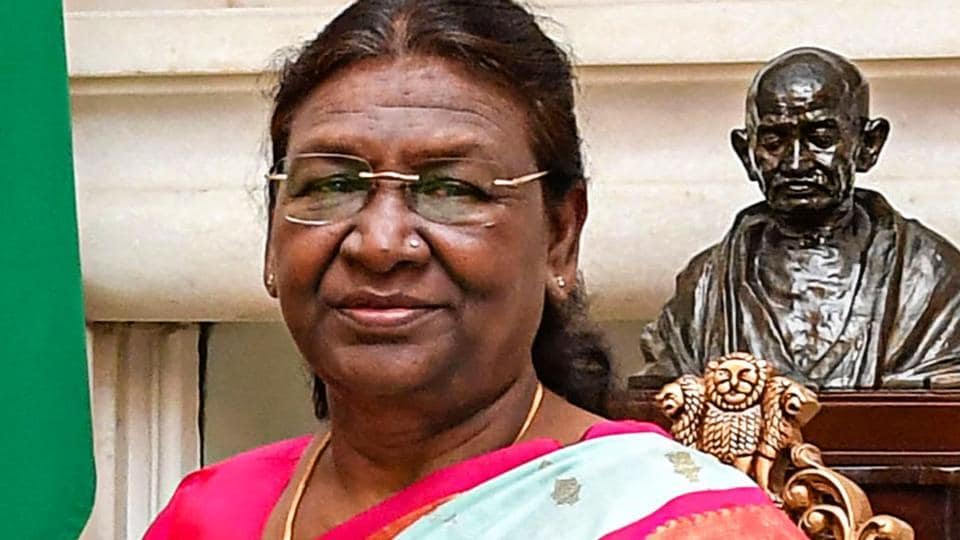
The quota gave her a toehold and the rest is history. Murmu never looked back. The quota offered her a pathway in politics as she went on to become an assembly member, and a state minister before rising to the president’s post.
Murmu was working in Rairangpur following a break after quitting her government job to take care of her children in 1993 when her popularity as a schoolteacher drew the attention of local politicians. She was fielded as a candidate when one of the wards in Rairangpur NAC was reserved for tribal women in 1997.
READ | How Droupadi Murmu, a tribal girl who dared to dream, became India’s 15th President
“With the help of her teacher colleague, Dibakar Mahanta, we managed to sign her up as a candidate. She won the ward and became vice-chairperson of the NAC as the post was reserved for tribal women,” said local journalist Nigamananda Patnaik.
Murmu would show up every morning on the streets supervising sanitation works after becoming the NAC vice-chairperson, said local hotelier Debabrata Patnaik. Her good work caught the attention of local Bharatiya Janata Party (BJP) leaders before she was offered the party ticket to contest the Rairangpur assembly constituency in 2000 when it was reserved for tribal women. In 2007, she was adjudged as the best assembly member.
Murmu became a minister in chief minister Naveen Patnaik’s first government when the BJP was in alliance with his Biju Janata Dal (BJD), which has been among the parties that have pushed for passage of the Women’s Reservation Bill in Parliament.
A Constitution amendment bill was tabled in Lok Sabha for quota for women in Parliament and state legislatures on Tuesday. The last iteration of the Women’s Reservation Bill was cleared in the Rajya Sabha in 2010. The then Congress-led United Progressive Alliance government did not push the bill in Lok Sabha as its allies such as Rashtriya Janata Dal and Samajwadi Party demanded a quota for Scheduled Castes and Scheduled Tribes within the quota.
Odisha became the first state in the country to have 33% reservation for women in rural and urban local bodies in 1991 when Biju Patnaik was the chief minister.
BJD’s Sulata Deo, 50, who became a Rajya Sabha member last year, said she too owes her rise to reservation in panchayat bodies. In 2002, Deo became sarpanch of Brahmabarada in the Jajpur district. She was elected a member of district Parishad in 2007.
“I could rise to the top due to the reservation brought in by Biju Patnaik for women in local bodies. In 2012, Naveen Patnaik increased the reservation in rural and urban local bodies to 50%. Women now head 70% of the district councils...Naveen Patnaik believes in women empowerment like his father,” said Deo, who was last year among the eight lawmakers chosen to be on the panel to officiate the Rajya Sabha.