
 E-Paper



India-China military talks on standoff paused due to change of guard in PLA
PLA Western Theatre Commander Gen Zhang Xudong is expected to resume the military talks after his induction process is completed

 Prefer HTon Google


The ninth round of military dialogue between India and China is expected to take place once the newly-appointed PLA Western Theatre Commander Gen Zhang Xudong completes his military familiarisation and troop deployments on the Indian border. Gen Zhang, who has never served on the Indian border or Tibet, took over from Tibet veteran Gen Zhao Zongqi on December 21. Gen Zhao was the principal implementer of Bejing agression in Doklam in 2017 and in East Ladakhin May 2020.
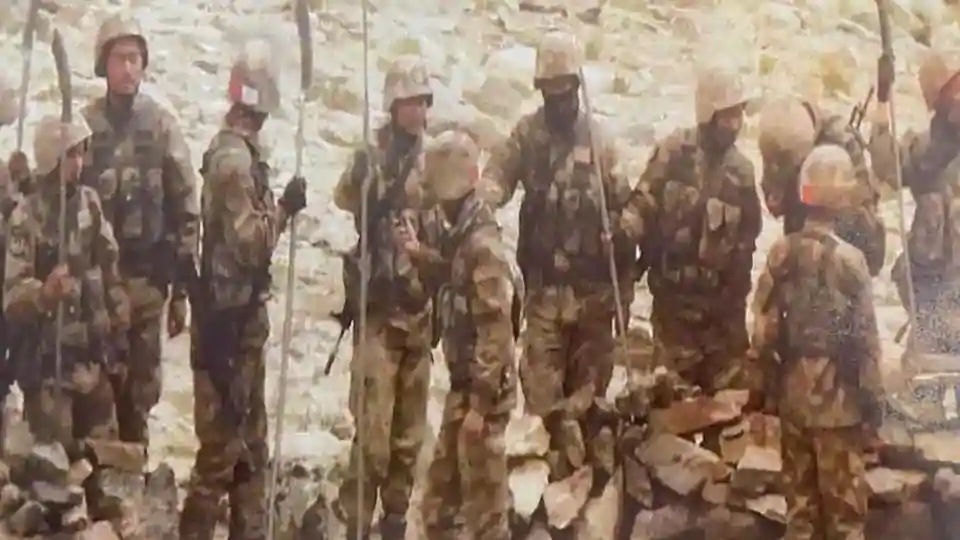
According to senior officials, the December 18 meeting of the Working Mechanism for Consultation and Coordination (WMCC) ended on a positive note but the ninth round of military talks are crucial as both sides are expected to work towards working out a written disengagement and de-escalation agreement. “ It is work in progress and till such time a firm agreement is not chalked out, India is holding positions on East Ladakh,” said a millitary officer.
As for the dates for the ninth round are concerned, the Indian understanding is that this could be due to the new PLA Western Theatre Commander taking over as military leader of Tibet and Xinjiang. The process of induction of a new military commander takes time as Gen Zhang is expected to visit key deployments and receive his operational briefings about the situation along the 3488-kilometre Line of Actual Control (LAC).
For now, Indian officials said they expect the new military commander to take a similar line against India as the last one since Beijing appeared to be pulling the strings to keep the East Ladakh in stand-off mode to achieve its strategic objectives during the 100th year of Chinese Communist Party in 2021.
Also Read: Donald Trump defies Chinese warning, signs off on law on next Dalai Lama
President Xi is expected to project China as the global economic and military power ahead of the Communist Party of China’s main centenary celebrations in July next year. It was in this context that President Xi had, in his speech at the Central Economic Work Conference earlier this month, skipped any negative references to the challenges ahead for the economy, a contrast from his speech at the forum last year when he had spoken of “downward economic pressure”.
As part of this script in East Ladakh, the PLA is expected to keep up the pressure, notwithstanding the fact that the entire bilateral relationship with India has been put to stake on a piece of mountainous land between finger 4 and finger 8 on the north banks of the frozen Pangong Tso.
The Chinese propaganda media, on its part, is, as usual, blaming India and right-wing nationalism for hyping up the threat from the Middle Kingdom and using it to decouple economic ties. The Communist Party mouthpiece has reminded India of military power differential between two neighbors even though it is unproven and untested. It has also tried to ridicule Indian Army Chief Gen MM Naravane December 23 visit to the Ladakh front-line on southern banks of Pangong Tso by saying that the troops who accepted sweets from the military commander will be the ones to “get dragged down” in case India does not withdraw.
The Indian Army dominates the Rezang La-Rechin La ridgeline on Kailash Ranges after specialised troops on August 29-30 pre-empted a Chinese plan to force the 1959 line on the southern banks.


