
Sign in

In joint op with Myanmar, Indian army deploys ‘hammer and anvil’ tactics

India and Myanmar have conducted two synergised operations against insurgents on either side of the border under Operation Sunrise.

Updated on: Jun 17, 2019, 14:05:03 IST
New Delhi | By
Share
Share via
  • facebook
  • twitter
  • linkedin
  • whatsapp
Copy link
  • copy link

After Myanmar Army captured and prosecuted at least 38 Indian insurgents, including those belonging to NSCN(K) in military operations last month, Naypyidaw and New Delhi have decided not to allow armed militant groups inimical to either country to operate along the shared boundary, according to people familiar with the matter.
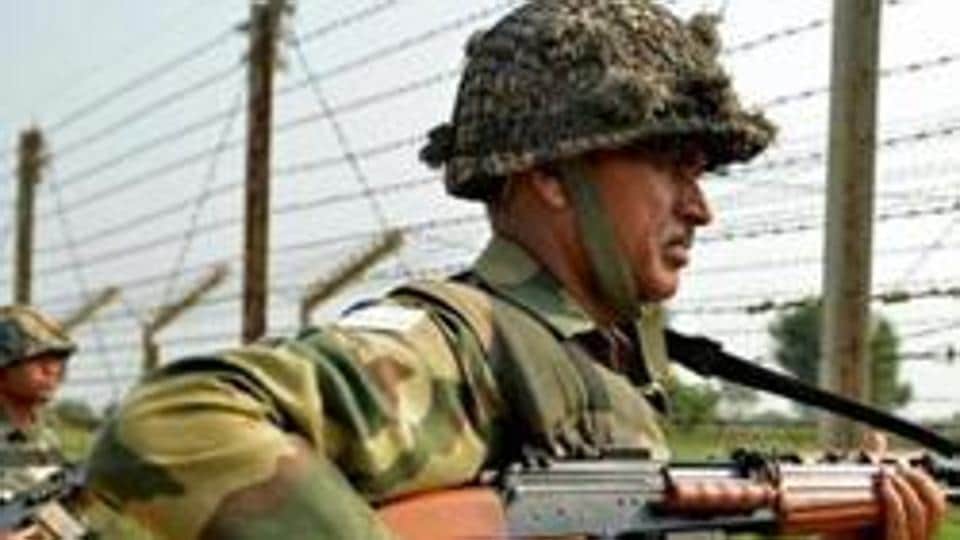
After Myanmar Army captured and prosecuted at least 38 Indian insurgents, including those belonging to NSCN(K) in military operations last month, Naypyidaw and New Delhi have decided not to allow armed militant groups inimical to either country to operate along the shared boundary. (AFP File)

Coordinated by national security adviser (NSA) Ajit Doval and director general military operations (DGMO) Lt Gen Anil Chauhan, India and Myanmar have conducted two synergised operations against insurgents on either side of the border under Operation Sunrise. The first phase began in February and the second in mid-May, with both armies deploying liaison officers in the operations room for full transparency, the people cited above said on condition of anonymity.

The groups targeted included anti-India outfits such as NSCN(K), ULFA, NDFB and PLA, as well as anti-Myanmar entities including in Arakan and other insurgents in Chin State bordering Mizoram. NSCN(K) is the SS Khaplang-led faction of the National Socialist Council of Nagaland.

According to a South Block official, the Myanmar army attacked multi-group terror camps at Taga in the north of the country across the Vijaynagar salient in Arunachal Pradesh in the first phase, and decimated Arakan, Nilgiri and Haukyat camps in the second. He added that Indian Army informed its Myanmarese counterpart that the militants had regrouped in these camps after the firefight in the first phase.

According to another official in the know, Myanmar expressed concern last October over Arakan militants getting shelter on the Indian side of the border. India’s security forces offered help to their counterparts by launching operations against Chin State insurgents. India’s DGMO visited Myanmar before both the first and second phases of the operation, and defence secretary Sanjay Mitra went to Naypyidaw last month to ensure full cooperation, the official added.

Previously, Myanmar Army would move out of the area after neutralising the threat, but this time it decided to stay put to ensure that anti-India militants did not return. The Indian Army is providing military provisions on the ground and tactical support in the form of UAV and satellite imagery to the Myanmar units on the ground. The first phase used “hammer and anvil” tactics with the Indian army holding strong on its side of the border and Myanmar’s forces taking action against groups that have not signed a ceasefire agreement with Naypyidaw and are not part of the peace process. The second phase was focused largely on anti-India insurgents, with the Myanmar army action forcing the insurgents to cross over and surrender to their Indian counterparts, the officials said.

  • Shishir Gupta
    ABOUT THE AUTHOR
    Shishir Gupta

    Shishir Gupta is Executive Editor at Hindustan Times and one of India's top journalists covering national security, strategic affairs, foreign policy and geopolitics. Over the past three decades, he has extensively reported on India's military, diplomatic and security landscape, covering every major conflict and national security challenge, from the 1999 Kargil War and the 2020 East Ladakh standoff to Operation Sindoor in 2025. He has also covered major terror attacks, including the IC-814 hijacking, the 26/11 Mumbai attacks and the 2025 Pahalgam terror strike, along with numerous Pakistan-backed terrorist incidents in the Kashmir Valley and across India. He has reported on national and state elections for more than three decades. A recognised authority on strategic affairs, Gupta has covered India's nuclear programme since the Pokhran-II (Shakti series) tests in May 1998 and has written extensively on global nuclear issues, Indian diplomacy and the country's expanding global outreach. He has also reported widely on international conflicts and terrorism, with a special focus on the Indian subcontinent. Gupta has interviewed Prime Minister Narendra Modi more than four times, including Modi's first interview with the print media after becoming Prime Minister in May 2014. His other interviews include three with the Dalai Lama, as well as conversations with Benjamin Netanyahu, Amit Shah, Yogi Adityanath, S. Jaishankar, Nirmala Sitharaman and Piyush Goyal. He is the author of Indian Mujahideen: The Enemy Within (Hachette, 2011) and Himalayan Face-off: Chinese Assertion and Indian Riposte (Hachette, 2014). He was awarded the Chevening-Wolfson Joint Scholarship at Wolfson College, University of Cambridge, UK, in 1998 and participated in the International Visitor Leadership Program (IVLP) of the US State Department in 2006. He received the Ben Gurion Prize from Israel in 2011 and the K. Subrahmanyam Prize for Strategic Studies in 2015 from the Manohar Parrikar Institute for Defence Studies and Analyses (MP-IDSA). Since 2024, he has hosted Point Blank, Hindustan Times' weekly YouTube show on global geopolitics.Read More

Get the latest India News, breaking headlines and real-time updates from across the country. Stay informed about politics, government policies, crime, weather and major national developments.