A team led by an Indian-origin scientist has developed a rapid, ultrasensitive Covid-19 test using a paper-based electrochemical sensor that can detect the presence of the novel coronavirus in less than five minutes.
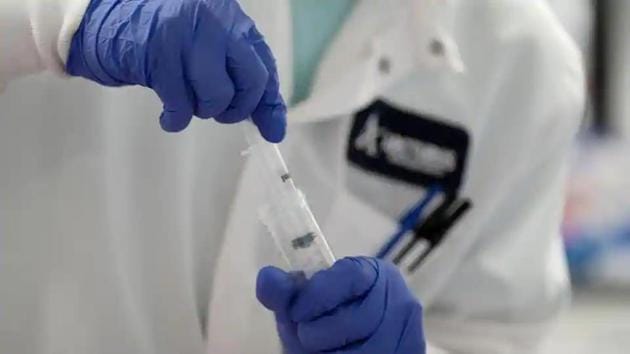
The researchers from the University of Illinois in the US created a graphene-based electrochemical biosensor with an electrical read-out setup to selectively detect the presence of SARS-CoV-2 genetic material.
According to the research published in the journal ACS Nano, there are two components to this biosensor: a platform to measure an electrical read-out and probes to detect the presence of viral RNA.
To create the platform, the researchers led by professor Dipanjan Pan first coated filter paper with a layer of graphene nanoplatelets to create a conductive film.
They then placed a gold electrode with a predefined design on top of the graphene as a contact pad for electrical readout.
Both gold and graphene have high sensitivity and conductivity which makes this platform ultrasensitive to detect changes in electrical signals, the researchers noted.
“Graphene exhibits unique mechanical and electrochemical properties that make it ideal for the development of sensitive electrochemical sensors,” said Maha Alafeef, a graduate student at the University of Illinois Grainger College of Engineering.
{{/usCountry}}“Graphene exhibits unique mechanical and electrochemical properties that make it ideal for the development of sensitive electrochemical sensors,” said Maha Alafeef, a graduate student at the University of Illinois Grainger College of Engineering.
{{/usCountry}}Current RNA-based Covid-19 tests screen for the presence of the N-gene (nucleocapsid phosphoprotein) on the SARS-CoV-2 virus, they said.
In the new research, the team designed antisense oligonucleotide (ASOs) probes to target two regions of the N-gene.
Targeting two regions ensures the reliability of the sensor in case one region undergoes gene mutation, according to the researchers.
The gold nanoparticles (AuNP) are capped with these single-stranded nucleic acids (ssDNA), which represents an ultra-sensitive sensing probe for the SARS-CoV-2 RNA.
The team tested the performance of this sensor by using Covid-19 positive and negative samples.
The sensor showed a significant increase in the voltage of positive samples compared to the negative ones and confirmed the presence of viral genetic material in less than five minutes.
The sensor was able to differentiate viral RNA loads in these samples. Viral load is an important quantitative indicator of the progress of infection and a challenge to measure using existing diagnostic methods.
The researchers noted that this platform has far-reaching applications due to its portability and low cost.
The sensor, when integrated with microcontrollers and LED screens or with a smartphone via Bluetooth or wifi, could be used at the point-of-care in a doctor’s office or even at home, they said.
Beyond Covid-19, the research team also foresees the system to be adaptable for the detection of many different diseases.