
 E-Paper



'Naughty boy, now obedient': ISRO launches INSAT-3DS satellite atop GSLV rocket
ISRO's INSAT-3DS, aboard a GSLV rocket, successfully launched from Sriharikota.

 Prefer HTon Google


The INSAT-3DS meteorological satellite, aboard a Geosynchronous Launch Vehicle (GSLV) rocket, took off from Sriharikota, Andhra Pradesh, on Saturday.
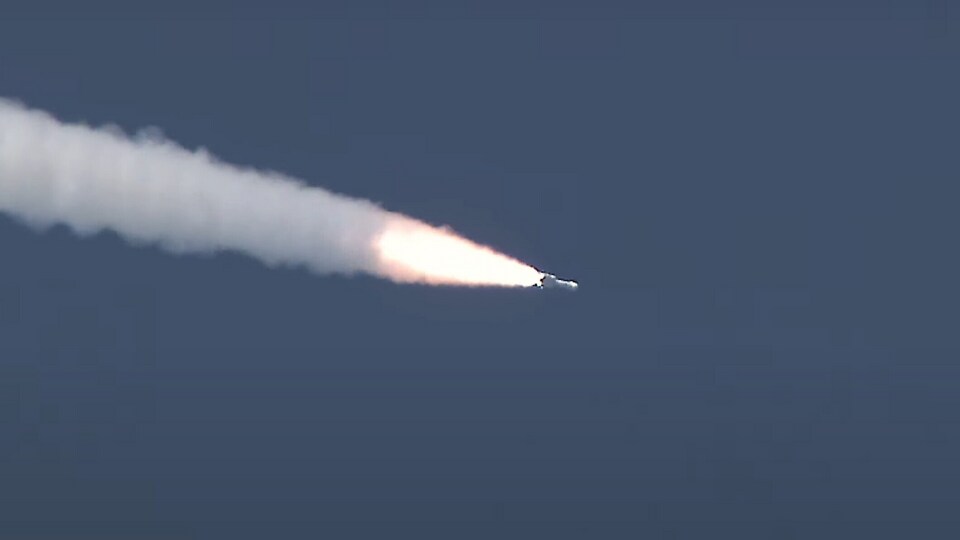
In its 16th mission, GSLV rocket deployed the INSAT-3DS meteorological satellite into the intended orbit.
ISRO chairman S Somanath, congratulating the team, also confirmed the successful deployment of solar panels.
ALSO READ- INSAT-3DS: Why is the rocket called ‘naughty boy’ of ISRO?
The mission aims to maintain the continuity of services offered by the current operational INSAT-3D and INSAT-3DR satellites. It focuses on enhanced meteorological observations, monitoring of land and ocean surfaces for weather forecasting and disaster warning, along with providing Satellite Aided Search and Rescue Services.
ALSO READ- Cartosat-2 satellite re-enters Earth, burns over Indian Ocean, says ISRO
ISRO's INSAT-3DS mission objectives are:
1. Monitor Earth's surface, observe oceans, and analyze the environment through various essential meteorological perspectives.
2. Provide information on diverse atmospheric conditions through vertical profiles.
3. Manage data collection and dissemination from Data Collection Platforms (DCPs).
4. Support Search and Rescue services.
What are the payloads on ISRO's INSAT-3DS?
1. Imager and Sounder: INSAT-3DS is equipped with a 6-channel Imager and a 19-channel Sounder, dedicated to advanced meteorological observations.
2. Communication Payloads: The satellite features crucial communication payloads, including the Data Relay Transponder (DRT).
3. Data Collection: The DRT receives data from automatic Data Collection Platforms and Automatic Weather Stations, enhancing weather forecasting capabilities.
4. SAS&R Transponder: The SAS&R transponder plays a vital role in relaying distress signals and alert detections from beacon transmitters, contributing to global search and rescue services.
ISRO's next mission?
ISRO chairman confirmed that the joint mission with National Aeronautics and Space Administration (NASA) named NISAR is as per schedule.
NISAR is a collaborative Earth-observing mission between NASA and the Indian Space Research Organization (ISRO). The mission utilises two radars, each optimized to observe a broader spectrum of changes, enhancing its observational capabilities beyond what a single radar could achieve.


