
 E-Paper



Vaishno Devi medical college's recognition revoked: What happens to the students already admitted?
On Tuesday, the Medical Assessment and Rating Board (MARB) of the National Medical Commission (NMC) withdrew permission for the medical college.

 Prefer HTon Google


A full-blown controversy over the admission of 46 Muslim students out of a total of 50 in the maiden batch for the MBBS course at Shri Mata Vaishno Devi Institute of Medical Excellence in Jammu and Kashmir’s Reasi has now led to the withdrawal of the Letter of Permission (LoP) granted to the college to run the course.
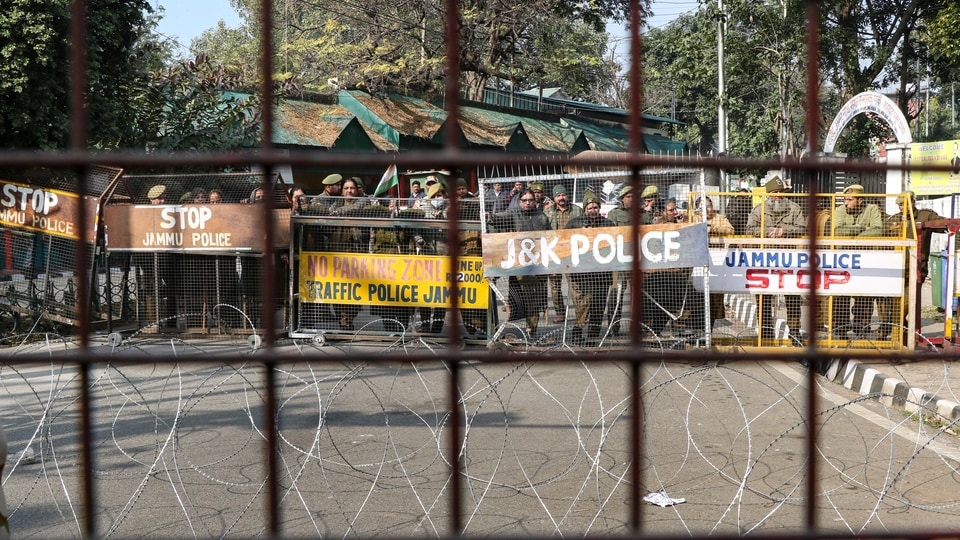
On Tuesday, the Medical Assessment and Rating Board (MARB) of the National Medical Commission (NMC) withdrew permission for the medical college, citing reasons such as poor infrastructure, lack of adequate clinical material, shortage of qualified full-time teaching staff and an insufficient number of resident doctors, as mentioned in an earlier HT report.
“Continuation of the institution under such circumstances would have seriously jeopardised the quality of medical education and adversely affected the academic interests of the students,” a letter issued by the NMC read.
However, a key question now is: what will happen to the students who were admitted to the college?
ALSO READ | ‘Gross deficiencies’: Why Jammu’s Shri Mata Vaishno Devi Institute lost MBBS nod amid admission row
What happens to the students already admitted to the college?
In its letter, the medical commission said that students who were already admitted to the college for the academic year 2025–26 should be accommodated in other medical institutions within the Union Territory.
“To safeguard the interests of the students already admitted for the academic year 2025–26, the state or UT authorities have been authorised to accommodate such students in other medical institutions within the Union Territory, as supernumerary seats, in accordance with applicable norms,” the letter read.
This means that no admitted student will lose an MBBS seat because of the withdrawal. Instead, the students will be accommodated in other recognised medical colleges in Jammu and Kashmir, in addition to their approved intake capacity.
What was the controversy?
After the letter of permission was issued, the commission received several complaints. These alleged that the college lacked proper infrastructure, adequate clinical material, and qualified full-time teaching staff and resident doctors.
The complaints also flagged a low number of inpatients and outpatients, along with poor bed-occupancy figures, among other concerns. A surprise inspection was then carried out to “verify the veracity of the complaints”. The commission found that the “deficiencies were gross and substantial in nature”.
Amid the controversy, local residents and various Hindu organisations demanded reservation for Hindu candidates. They argued that the medical college had been built and was largely run using donations from Hindu devotees at the Shri Mata Vaishno Devi shrine.
Meanwhile, Jammu and Kashmir chief minister Omar Abdullah accused the BJP of pushing communal politics into education, sports and food habits. He urged the Centre to shift the students to other medical colleges and shut down the newly opened institution to bring the matter to a close.
“...Had I been a parent of these students, I wouldn’t have sent them. We wouldn’t want them to study where there’s so much politics. Give our children another medical college and close that medical college (Vaishno Devi). We don’t need such a medical college. Adjust these children in good government medical colleges,” he said.


