E-Paper



Karimganj district renamed as Sribhumi, honours Tagore’s vision: Himanta Sarma
Assam CM Himanta Biswa Sarma said the decision to rename Karimganj was aimed at restoring the old glory of Assam’s southernmost district

 Prefer HTon Google


GUWAHATI: The Assam cabinet on Tuesday renamed Karimganj, one of the three districts in the state’s Bengali-majority Barak Valley region, as Sribhumi.
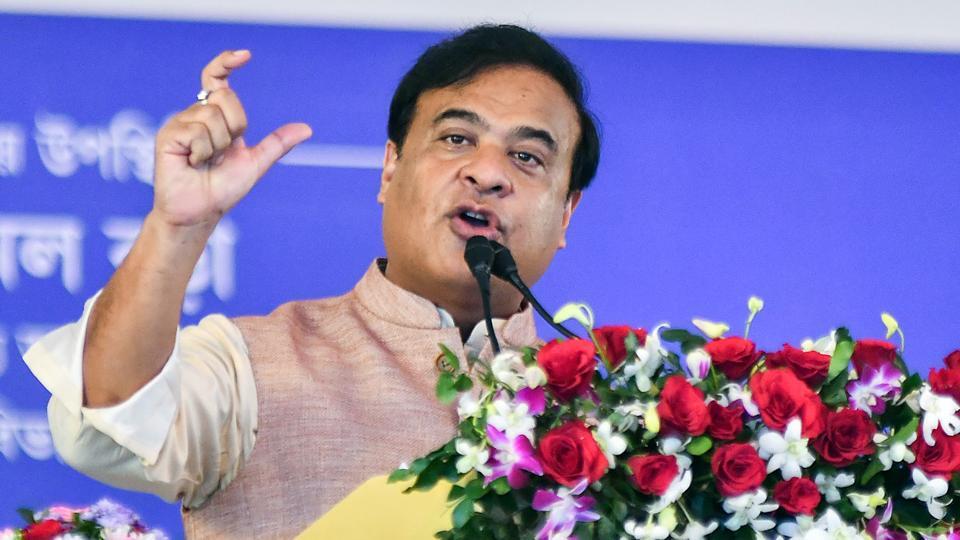
Chief minister Himanta Biswa Sarma said the move was aimed at honouring the vision of Rabindranath Tagore and respecting the long-standing demand of the people of the region.
“Over a 100 years ago, Kabiguru Rabindranath Tagore described modern day Karimganj district in Assam as Sribhumi - the land of Maa Lakshmi. Today the Assam cabinet has fulfilled this long-standing demand of the people,” Sarma posted on X.
He added that the move was aimed at “restoring the old glory of Assam’s southernmost district.
In a separate post, Sarma said the decision will give Karimganj a distinct identity and justify its “rich cultural heritage”.
Sarma said that the government would continue renaming places reflecting their history, culture and importance.
“Those names which don’t represent history or are not part of the available dictionaries will get replaced. The name Karimganj isn’t found in Assamese or Bengali dictionaries whereas Sribhumi has mention and meaning,” said Sarma told reporters.
Karimganj was created as a sub-division under Sylhet district during British rule in 1878 with Karimganj town as its headquarters. In 1947, the district of Sylhet was transferred to East Pakistan (now Bangladesh) barring the area under three-and-a-half police station areas (Ratabari, Badarpur, Patherkandi and part of Karimganj) of Karimganj sub-division.
The truncated Karimganj sub-division was incorporated in the Cachar district of Assam as a full-fledged sub-division, which was later upgraded to a district on July 1, 1983. As per the 2011 census, Karimganj has a population of over 1.2 million.